

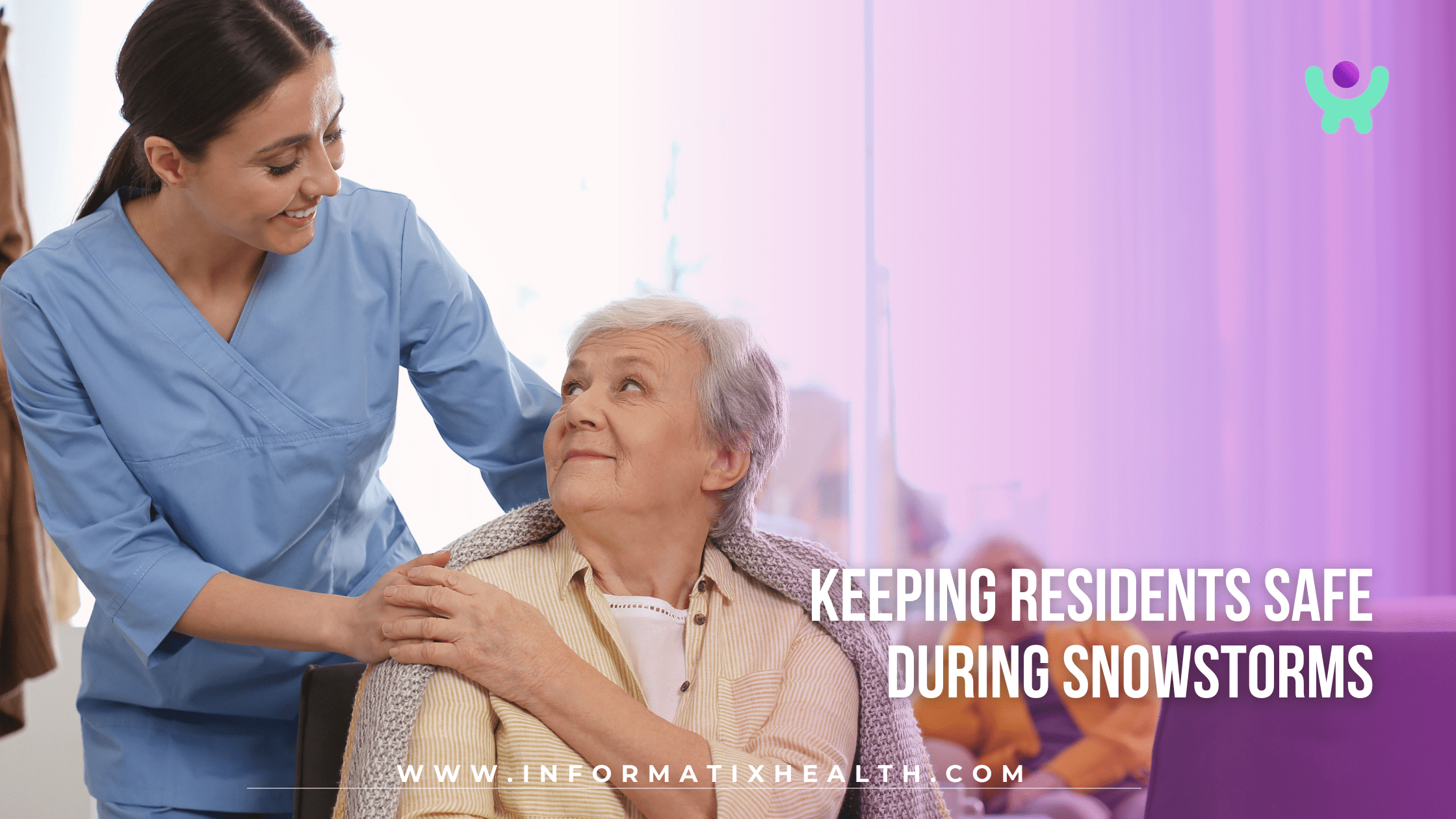
Winter snowstorms can be especially challenging for private care caregivers and Home Health Aides (HHAs). Between icy walkways, power outages, and limited access to supplies, safety becomes more than a checklist—it becomes a shared responsibility. At Informatix Health, we understand how much caregivers do to protect residents, even in the toughest weather. This guide is here to support you with practical, easy-to-follow tips to help keep residents safe, comfortable, and well cared for during snowstorms.
Why Winter Safety Matters in Home Care
Snowstorms increase the risk of falls, hypothermia, missed medications, and isolation—especially for seniors and individuals receiving home health care. Caregivers play a vital role in minimizing these risks by staying prepared, observant, and calm under pressure.
Preparing the Home Before the Storm
Preparation can make all the difference.
Start by checking that walkways, steps, and entrances are cleared and treated to reduce slipping hazards. Encourage families to stock up on essentials such as medications, nonperishable food, bottled water, batteries, and flashlights. It’s also important to ensure heating systems are working properly and that extra blankets and warm clothing are easily accessible.
As a caregiver or HHA, knowing the resident’s emergency contacts and backup care plan ahead of time can provide peace of mind if conditions worsen.
Preventing Falls and Cold-Related Risks
Falls are one of the biggest concerns during winter weather. Keep floors dry by placing mats near entrances and wiping up melted snow promptly. Encourage residents to wear non-slip footwear, even indoors, if surfaces are slick.
Monitor room temperatures closely and watch for signs of cold stress, such as shivering, confusion, or pale skin. Seniors may not always recognize when they are too cold, so gentle check-ins go a long way.
Managing Care During Power Outages
Power outages can happen unexpectedly during snowstorms. Make sure battery-powered medical devices, flashlights, and phones are charged and ready. If a resident relies on electrically powered medical equipment, know the emergency protocol and nearest backup resources.
Maintaining routines—meals, medications, and reassurance—can help reduce anxiety for residents during these moments.
Emotional Support During Winter Isolation
Snowstorms can limit visitors and increase feelings of loneliness. A warm conversation, help with a phone or video call, or simply being present can make a meaningful difference. Emotional care is just as important as physical safety during long winter days.
Caregivers Deserve Support Too
Providing care during snowstorms requires dedication, patience, and heart. At Informatix Health, we value caregivers and HHAs who go above and beyond to keep residents safe in every season. We believe that when caregivers feel supported, residents receive better care.
Join a Team That Supports You Year-Round
If you’re a private care caregiver or HHA looking for a home health care agency that truly understands your role, Informatix Health would love to hear from you. We offer opportunities to work with compassion, purpose, and professional support.
Reach out today to learn more about joining Informatix Health or to apply and take the next step in your caregiving journey. Your dedication makes a difference—and we’re here to support you every step of the way.