
In nursing homes, accurate documentation is more than a task—it is a cornerstone of safe, compliant, and high‑quality care. During busy months, when census rises, staffing patterns shift, or seasonal illnesses increase, maintaining documentation accuracy can become especially challenging for nurses, CNAs, RNs, and LPNs. Still, clear and timely records remain essential for resident safety, team communication, and regulatory compliance.
This guide outlines practical strategies to help nursing home staff maintain strong documentation standards, even during the most demanding periods.
Why Documentation Accuracy Matters
Accurate documentation supports every aspect of resident care. It ensures continuity between shifts, provides legal protection, and demonstrates compliance with state and federal regulations. For nursing home staff, well‑maintained records help:
- Communicate resident conditions clearly across care teams
- Reduce medication and treatment errors
- Support care planning and quality improvement initiatives
- Protect staff and facilities during audits or reviews
When workloads increase, small documentation gaps can quickly lead to larger issues. Consistency and attention to detail are key.
Common Documentation Challenges During Busy Months
Understanding common pain points can help staff proactively address them. During high‑demand periods, nursing home professionals often face:
- Time constraints due to higher patient ratios
- Increased admissions and discharges
- Frequent interruptions during charting
- Fatigue from extended or consecutive shifts
Recognizing these challenges allows staff to adopt smarter workflows and maintain accuracy without adding unnecessary stress.
Practical Tips for Maintaining Accurate Records
Prioritize Timely Charting
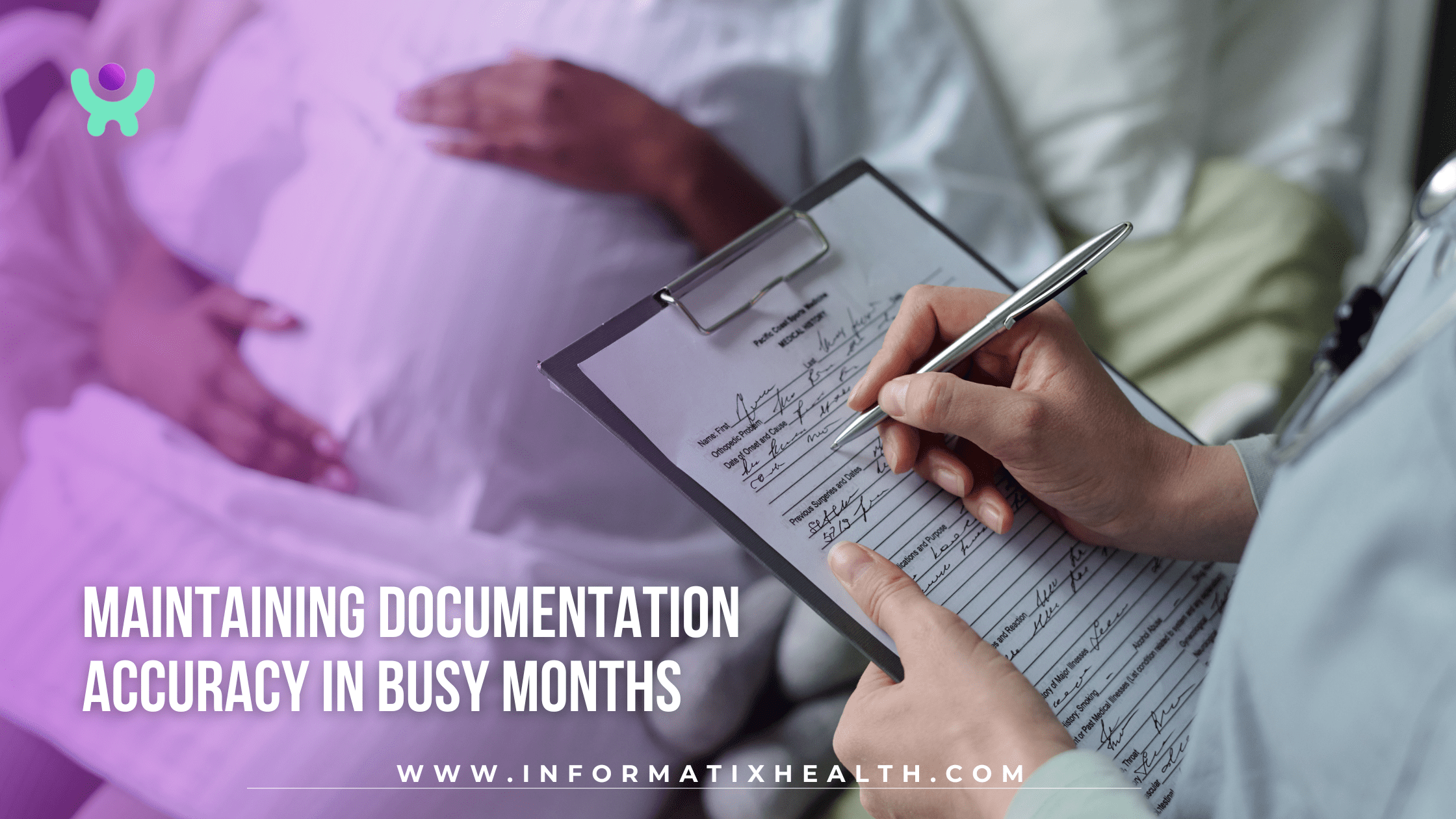
Documenting care as close to real time as possible reduces the risk of forgotten details or errors. Even brief notes entered promptly can significantly improve accuracy and clarity.
Use Standardized Language and Abbreviations
Following facility‑approved terminology helps ensure documentation is easily understood by all members of the care team. Avoid informal language or non‑standard abbreviations, especially during fast‑paced shifts.
Double‑Check High‑Risk Entries
Medication administration, incident reports, and changes in condition deserve an extra review. A quick double‑check can prevent serious downstream issues.
Stay Organized During Your Shift
Simple habits—such as keeping a small checklist or noting key times for documentation—can help busy nurses and CNAs stay on track even during hectic shifts.
Communicate With the Care Team
Clear communication supports accurate documentation. Verbal handoffs should align with written notes, ensuring consistency across shifts and disciplines.
How Supportive Staffing Makes a Difference
Adequate staffing plays a major role in documentation quality. When nursing home professionals are supported with appropriate assignments and flexible scheduling, they are better positioned to focus on both care delivery and accurate record‑keeping.
Working with a reliable nursing staffing partner can help reduce burnout, improve workflow balance, and create an environment where documentation accuracy is achievable—even during peak months.
Moving Forward With Confidence
Maintaining documentation accuracy during busy months is challenging, but achievable with the right strategies and support. By prioritizing timely charting, staying organized, and working within a supportive staffing structure, nursing home staff can continue delivering safe, compliant, and high‑quality care.
If you are a nurse, CNA, RN, or LPN seeking a staffing partner that values professionalism, proper workloads, and clinical excellence, consider joining Informatix Health. Our team is committed to supporting healthcare professionals with meaningful opportunities, flexible assignments, and a focus on quality care. Explore current openings and take the next step in your nursing career with Informatix Health.