

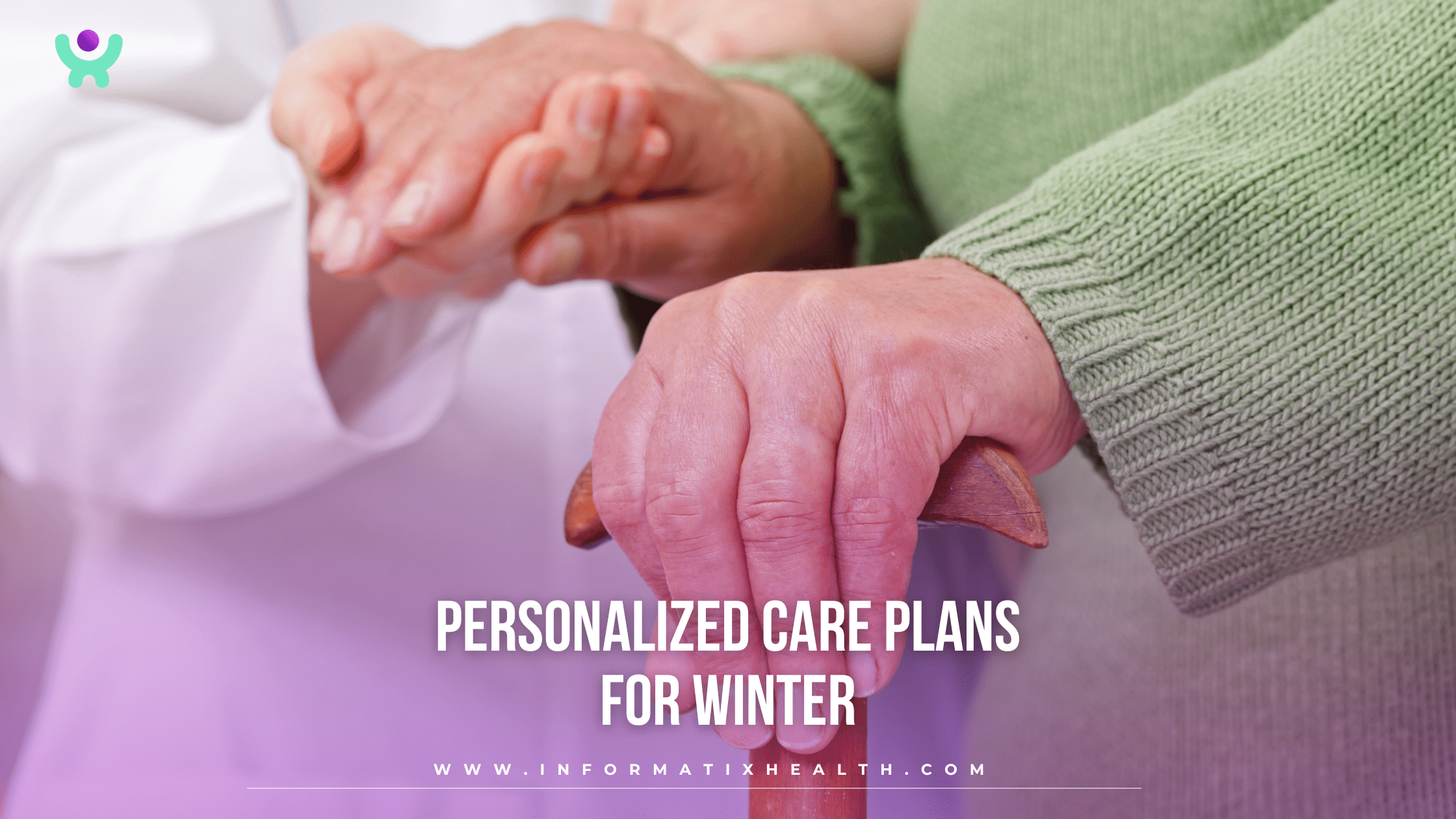
Winter presents unique challenges for nursing home facilities. Seasonal illnesses, mobility risks, and changes in resident routines all require thoughtful preparation. One of the most effective ways facilities can maintain high-quality outcomes during colder months is through personalized care plans that address both clinical needs and seasonal risks.
For nursing homes, individualized winter care planning supports resident safety, regulatory compliance, and overall operational efficiency.
Why Winter Requires a Personalized Approach
Colder weather can significantly impact residents’ health and well-being. Facilities often see an increase in respiratory infections, dehydration, falls, and exacerbation of chronic conditions. A standardized approach may overlook important risk factors, while personalized care plans allow staff to respond proactively.
Customized winter care plans help facilities:
- Anticipate seasonal health concerns before they escalate
- Reduce avoidable hospital transfers
- Improve resident comfort and satisfaction
- Support consistent, high-quality care across all shifts
Key Elements of Effective Winter Care Plans
Comprehensive Health Assessments
Winter care planning should begin with updated assessments. Reviewing each resident’s medical history, mobility level, cognitive status, and immunization records allows care teams to identify vulnerabilities that may be heightened during colder months.
Infection Prevention Strategies
Personalized plans should include clear infection control measures tailored to resident risk levels. This may involve monitoring for early symptoms, reinforcing hygiene protocols, and adjusting care routines for residents with compromised immune systems.
Mobility and Fall Risk Management
Reduced activity and bulkier winter clothing can increase fall risk. Individualized care plans can outline specific mobility supports, assistive devices, and supervision levels to help residents move safely throughout the facility.
Nutrition and Hydration Support
Residents may drink less water during winter, increasing the risk of dehydration. Personalized plans allow staff to monitor intake more closely and incorporate hydration reminders or dietary adjustments as needed.
Mental and Emotional Well-Being
Shorter days and limited outdoor activity can affect mood and engagement. Tailored care plans can include structured social activities, cognitive stimulation, and emotional support to maintain residents’ overall well-being.
The Role of Consistent Staffing in Care Plan Success
Even the most comprehensive care plans rely on proper execution. Consistent, well-matched staffing ensures that personalized plans are followed accurately and updated as conditions change. Facilities benefit when nursing staff are familiar with resident needs, documentation standards, and seasonal protocols.
Partnering with a dependable nursing staffing provider can help facilities maintain continuity of care during winter, especially when census fluctuates or staff availability changes.
Supporting Quality Outcomes Through Partnership
Personalized winter care plans demonstrate a facility’s commitment to proactive, resident-centered care. When combined with reliable staffing support, these plans help reduce risks, support compliance, and promote positive outcomes throughout the season.
Informatix Health works with nursing home facilities to provide qualified, dependable nursing professionals who support individualized care delivery year-round. If your facility is preparing for winter and seeking a staffing partner focused on quality, consistency, and collaboration, connect with Informatix Health to explore partnership opportunities.