

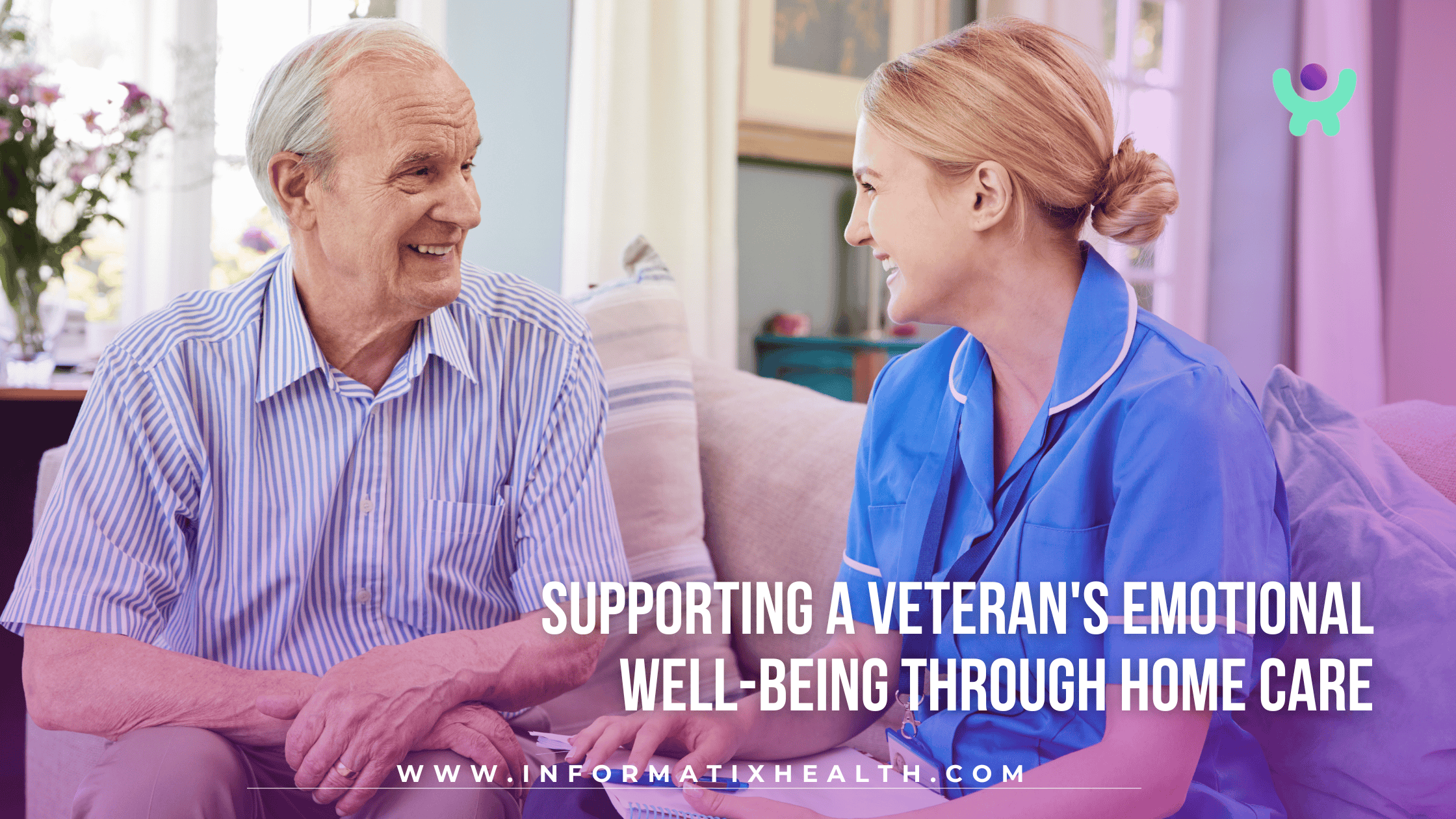
Veterans have spent part of their lives serving others. As they grow older, they deserve care that recognizes not only their everyday needs but also their independence, dignity, routines, and life experiences.
For many aging veterans, home is where they feel most comfortable. Familiar surroundings can provide a sense of stability and connection to the life they have built. When daily activities become more challenging or living alone becomes isolating, home care for veterans can provide valuable companionship and personalized support.
For families considering private home care for veterans, the right care can help an aging loved one continue enjoying life at home while supporting their emotional and social well-being.
Why Emotional Well-Being Matters for Aging Veterans
Emotional well-being is an important part of healthy aging. Retirement, reduced mobility, the loss of friends or a spouse, health changes, and less frequent social interaction can all affect an older veteran’s daily life.
Veterans who live alone may be especially vulnerable to social isolation in seniors. Days can become quieter, routines may change, and opportunities for meaningful conversation can become less frequent.
Regular family involvement, community connections, and companion care for veterans can help bring more interaction and structure into everyday life.
Sometimes, simply knowing someone will be there to share a conversation or meal can make the day feel more connected.
Companionship Can Make Home Feel Less Lonely
One of the most meaningful aspects of in-home care for veterans is companionship.
Depending on the veteran’s needs and care arrangement, a caregiver may spend time talking, sharing meals, participating in favorite hobbies, helping with everyday routines, or simply being a reassuring presence in the home.
Good companionship does not require filling every quiet moment. It can mean listening to a favorite story, looking through photographs, enjoying music together, or sitting outside on a pleasant afternoon.
For families searching for care for elderly veterans at home, these simple interactions can be an important part of supporting a loved one’s quality of life.
Maintaining Familiar Routines and Independence
Many older adults value independence, and veterans are no exception.
Receiving senior home care for veterans can allow an aging veteran to continue following familiar routines while receiving assistance where it is needed.
Instead of changing everything about daily life, personalized home care can work around the individual’s habits and preferences. Assistance might include meal preparation, personal routines, light household activities, companionship, or other non-medical support.
The goal of veteran home care services is not to take over. It is to provide the right amount of assistance while respecting the veteran’s choices and independence.
Listening With Respect
Every veteran has a different story.
Some may enjoy talking about their military service, while others may prefer to discuss family, hobbies, careers, or everyday life. Respectful elderly veteran care means allowing the individual to decide what they want to share.
A compassionate caregiver listens without pressure and gets to know the person beyond their care needs.
That personal connection can be especially valuable for veterans receiving private duty home care, where consistent one-on-one support may create opportunities to build familiarity and trust over time.
Helping Veterans Stay Connected With Family
Family relationships can play an important role in an aging veteran’s emotional well-being. But adult children and other relatives may be balancing careers, children, distance, and their own responsibilities.
Professional home care for elderly veterans can complement—not replace—the support families already provide.
When a caregiver assists with appropriate everyday tasks and routines, family visits can become less focused on completing chores and more focused on spending meaningful time together.
That can mean more time for sharing meals, talking about grandchildren, watching a favorite program, or simply enjoying each other’s company.
For many families, private pay home care provides an additional layer of support while allowing them to remain closely involved in their loved one’s life.
Aging in Place With the Right Support
For veterans who want to remain in familiar surroundings, aging in place can preserve important connections to home, neighborhood, memories, and established routines.
However, living independently does not have to mean managing everything alone.
Non-medical home care for veterans can provide assistance and companionship tailored to an individual’s changing needs. Some veterans may benefit from a few scheduled visits each week, while others may require more frequent support.
Families should consider the veteran’s preferences, daily routines, level of independence, and overall care needs when deciding what type of in-home senior care may be appropriate.
Signs an Aging Veteran May Benefit From Home Care
Families may want to consider additional veteran senior care when a loved one:
- Spends long periods alone with little social interaction
- Has difficulty keeping up with everyday household routines
- Could benefit from help preparing meals
- Needs assistance with personal routines
- Has become less involved in hobbies or activities
- Relies increasingly on family members for everyday support
- Wants to remain at home but could use additional assistance
- Would enjoy regular companionship and conversation
Every veteran’s situation is different. Home care should be personalized around the individual rather than based solely on age.
Honoring Independence Through Compassionate Care
Supporting an aging veteran is about more than helping with everyday tasks. It is about recognizing the individual behind the uniform—the parent, grandparent, spouse, friend, neighbor, and family storyteller.
The best home care services for veterans should respect those identities while providing dependable, compassionate assistance.
For families, choosing in-home caregiver services for veterans can mean knowing their loved one has additional support while continuing to live in the place they call home.
For the veteran, it can mean maintaining familiar routines, independence, companionship, and meaningful connections to everyday life.
Support Your Veteran Loved One With Informatix Health
At Informatix Health, we recognize the service and sacrifices veterans have made and believe aging veterans deserve to be treated with dignity, gratitude, and respect.
If a veteran in your family wants to remain at home but could benefit from companionship or additional assistance, exploring home care for veterans may be an important next step.
Whether you are considering private home care for veterans, companion care for veterans, veteran senior care, or in-home care for veterans, Informatix Health is ready to help you explore care that supports your loved one’s individual needs and independence.
Contact Informatix Health today to learn more about personalized home care for your veteran loved one. Let us help you provide the compassionate support they deserve while honoring the independence they value.