

Winter in Massachusetts brings unique challenges for nursing homes. Ice, snow, and colder temperatures can increase the risk of slips, falls, and other accidents for residents and staff alike. Conducting thorough winter safety rounds is essential to maintain a safe environment and ensure quality care. For nursing home staff—including nurses, CNAs, RNs, and LPNs—following best practices can make a significant difference.
Why Winter Safety Rounds Matter
Winter safety rounds help identify hazards before they cause injuries. Nursing homes are responsible not only for resident safety but also for staff well-being. Routine checks during the winter months allow teams to proactively address risks, such as icy walkways, wet floors, or inadequate heating.
Key Steps for Effective Winter Safety Rounds
1. Inspect Entrances and Walkways
Make sure that all entrances, sidewalks, and ramps are clear of snow and ice. Salt or sand should be applied where needed, and handrails should be secure. Proper lighting is essential for visibility during darker winter mornings and evenings.
2. Check Resident Areas
Examine resident rooms, hallways, and common areas for potential hazards. Look for wet floors, loose rugs, and any furniture that could obstruct safe movement. Pay special attention to residents with limited mobility who may be at higher risk for falls.
3. Ensure Proper Temperature and Ventilation
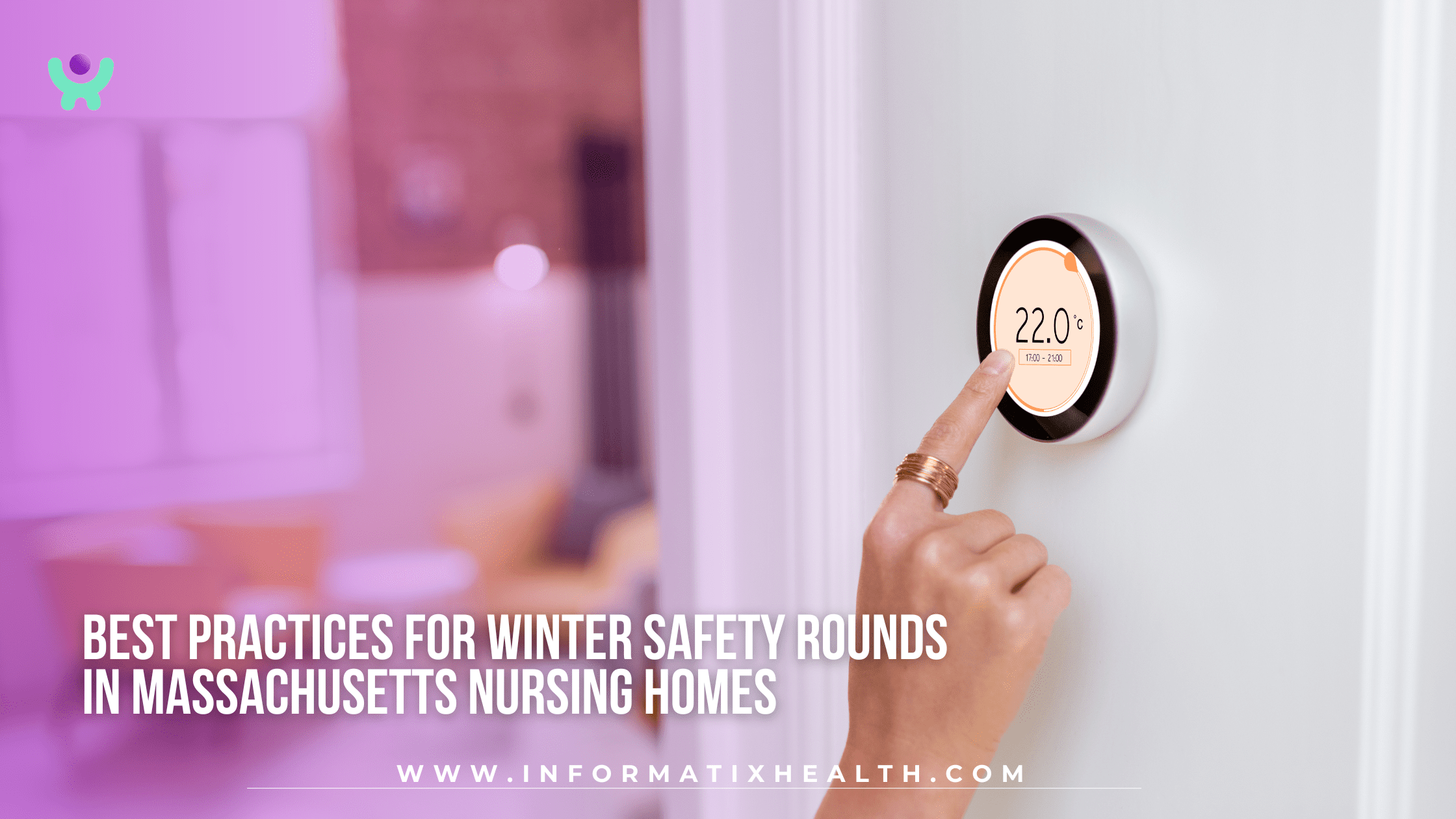
Maintain safe indoor temperatures to prevent hypothermia in residents. Check that heating systems are functioning correctly, and ensure proper ventilation to reduce the risk of respiratory illnesses, which can be more common in winter.
4. Review Emergency Supplies
Confirm that emergency equipment—such as walkers, wheelchairs, and first-aid kits—are readily available and in working condition. Stock extra supplies, including blankets, gloves, and warm clothing for residents if needed.
5. Communicate and Document
Document findings from safety rounds thoroughly and report any issues immediately to the appropriate staff or management. Clear communication ensures that corrective actions are taken promptly.
Tips for Nursing Staff Efficiency
- Schedule rounds consistently, ideally at the beginning of each shift
- Use checklists to save time and ensure no area is overlooked
- Engage the whole care team, including CNAs, RNs, and LPNs, for comprehensive coverage
Following these best practices can significantly reduce winter-related incidents and improve overall resident safety in Massachusetts nursing homes.
Partner with Informatix Health
At Informatix Health, we support nursing home staff with reliable staffing solutions, professional development, and opportunities to work in safe, well-managed environments. Whether you are an RN, LPN, or CNA, joining our team means working with a partner committed to excellence in care.
Apply today and be part of a team dedicated to safety, professionalism, and quality resident care.