

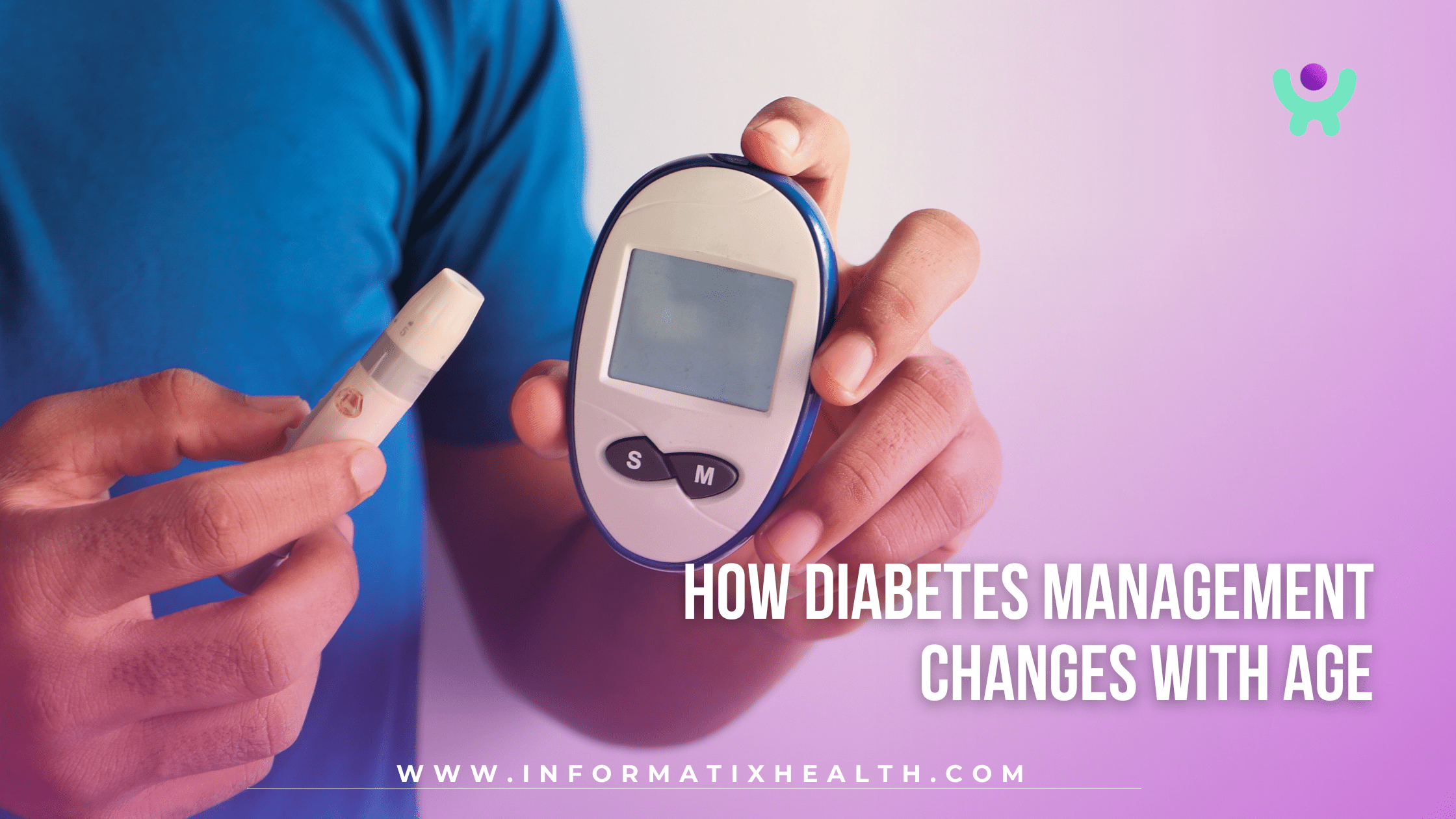
Diabetes is a condition that affects millions of Americans, and for seniors, managing it often becomes more complex with age. As the body changes over time, blood sugar control, medication management, nutrition, and overall health needs can shift significantly. Understanding how diabetes management evolves in later years can help seniors and their families take proactive steps to maintain health, independence, and quality of life.
At Informatix Health, we understand that every senior’s journey with diabetes is unique. Our compassionate caregivers provide personalized support that helps older adults safely manage their condition while continuing to enjoy life in the comfort of home.
Why Diabetes Becomes More Challenging for Seniors
As people age, several factors can make diabetes more difficult to manage. Changes in metabolism, decreased physical activity, other chronic health conditions, and medication interactions can all affect blood sugar levels.
Many older adults also experience changes in vision, mobility, memory, or dexterity that can make routine diabetes care more challenging. Tasks such as monitoring blood glucose, preparing healthy meals, administering insulin, or remembering medications may require additional support.
This is where professional private home care and senior care services can play an important role in helping seniors maintain their health and independence.
Increased Risk of Low Blood Sugar
One of the most significant concerns for aging adults with diabetes is hypoglycemia, or low blood sugar. Seniors are often more vulnerable to its effects, which can include dizziness, confusion, weakness, falls, and even hospitalization.
Unlike younger adults, older individuals may not always recognize the warning signs of low blood sugar. This makes regular monitoring and proper medication management especially important.
Experienced caregivers for seniors can help monitor symptoms, encourage healthy routines, and ensure medications are taken as prescribed.
Nutrition Needs Change With Age
A healthy diet remains one of the most important aspects of diabetes management, but nutritional needs often change as seniors grow older. Reduced appetite, dental issues, medication side effects, and difficulty preparing meals can all impact nutrition.
Maintaining a balanced diet that supports stable blood sugar levels becomes essential for preventing complications. Seniors may benefit from assistance with meal planning, grocery shopping, and meal preparation.
Professional home care for seniors can provide valuable support in creating nutritious meals that align with diabetes management goals.
Medication Management Becomes More Complex
Many seniors with diabetes take multiple medications not only for diabetes but also for conditions such as heart disease, high blood pressure, or arthritis. Managing several prescriptions at once can increase the risk of missed doses, medication errors, and adverse interactions.
Reliable private duty caregivers can provide medication reminders and help seniors stay on track with their treatment plans, reducing the risk of complications and hospital visits.
Physical Activity Remains Important
Regular physical activity plays a crucial role in managing diabetes at any age. Exercise helps improve blood sugar control, maintain muscle strength, support heart health, and enhance overall well-being.
However, mobility limitations, joint pain, or chronic health conditions may make exercise more challenging for older adults.
With support from in-home senior care professionals, seniors can safely engage in age-appropriate physical activities that support their diabetes management and overall health.
Monitoring for Diabetes Complications
Long-term diabetes can increase the risk of several health complications, including heart disease, kidney disease, vision loss, nerve damage, and circulation problems.
Regular monitoring and early detection are critical for minimizing these risks. Seniors should maintain routine medical appointments and stay alert to changes in their health.
A trusted home health care agency can help seniors stay organized with appointments, follow care plans, and maintain healthy daily routines.
Cognitive Changes Can Affect Diabetes Care
Memory loss, mild cognitive impairment, and dementia can make diabetes management significantly more difficult. Seniors may forget to take medications, skip meals, or struggle to monitor blood sugar levels properly.
Family members often find peace of mind knowing that compassionate elder care services are available to provide supervision, reminders, and support tailored to their loved one’s needs.
The Importance of Personalized Care
There is no one-size-fits-all approach to diabetes management for older adults. Every senior has unique health conditions, lifestyle preferences, and care requirements.
Personalized senior home care services allow seniors to receive the support they need while maintaining their dignity and independence. Whether assistance is needed with meal preparation, medication reminders, transportation, or companionship, individualized care can make a meaningful difference.
How Informatix Health Supports Seniors Living With Diabetes
At Informatix Health, we believe seniors deserve compassionate care that empowers them to live safely and comfortably at home. Our dedicated caregivers provide personalized private care for seniors, helping clients manage diabetes while maintaining their independence and quality of life.
From healthy meal preparation and medication reminders to companionship and daily living assistance, our team is committed to supporting seniors every step of the way.
Contact Informatix Health Today
Managing diabetes becomes more complex with age, but the right support can make all the difference. If you or a loved one could benefit from compassionate, personalized care at home, Informatix Health is here to help.
Contact Informatix Health today to learn more about our customized home care solutions and discover how our experienced caregivers can help support safe, healthy, and independent living for seniors managing diabetes.