

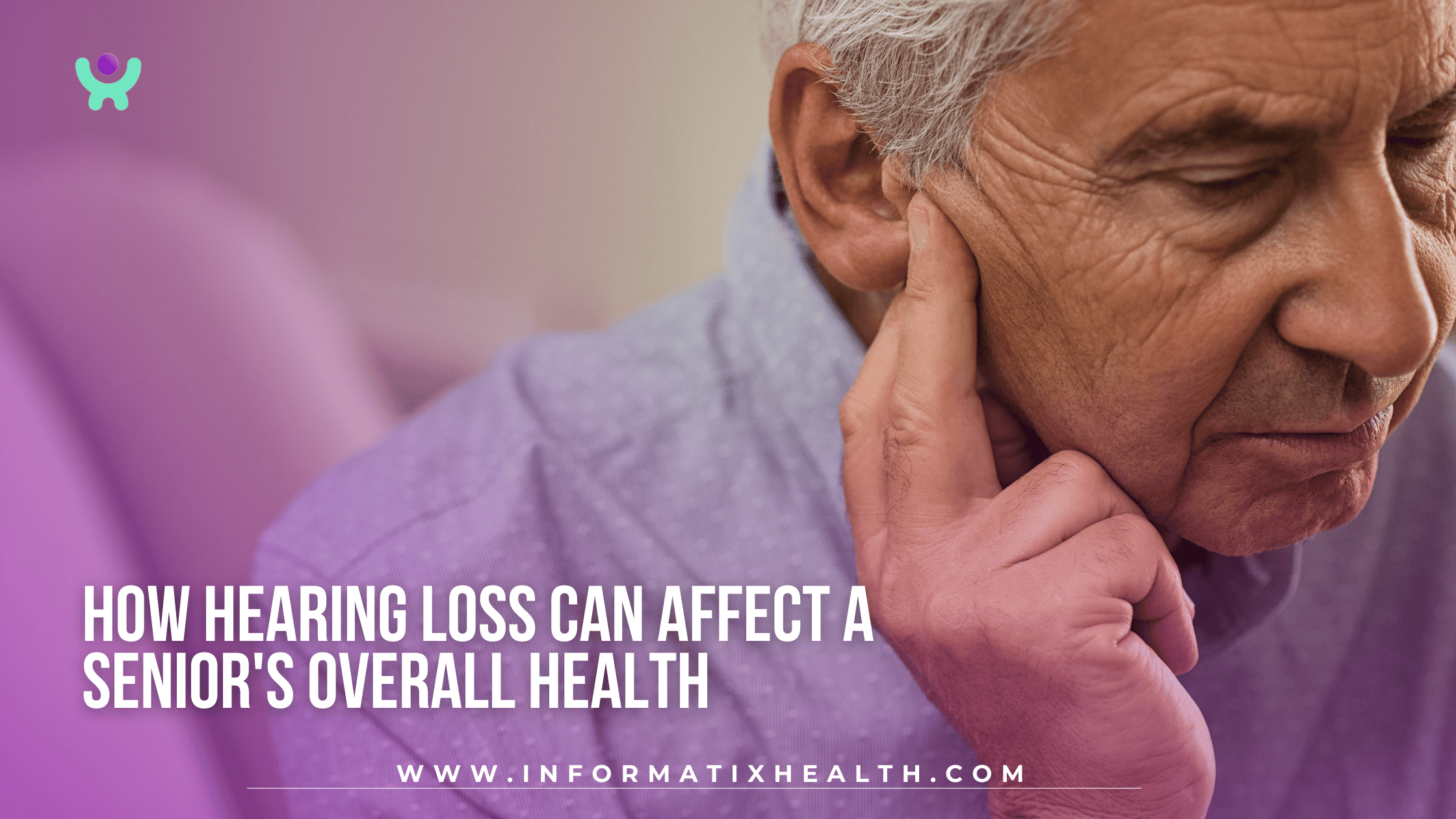
Hearing loss is often considered a normal part of aging, but it can have a much greater impact than simply making conversations more difficult. For many older adults, untreated hearing loss can affect physical health, emotional well-being, cognitive function, and overall quality of life.
The good news is that recognizing the signs early and seeking the right support can help seniors continue living active, fulfilling lives. Combined with compassionate home care for seniors, hearing care and daily assistance can make a meaningful difference in maintaining independence and confidence.
At Informatix Health, we understand that healthy aging involves caring for the whole person. Our compassionate caregivers provide personalized support that helps seniors remain safe, connected, and comfortable while continuing to enjoy life in the place they love most—their home.
Understanding Age-Related Hearing Loss
Age-related hearing loss, also known as presbycusis, develops gradually over time. Because it often progresses slowly, many seniors may not realize how much their hearing has changed until it begins affecting their daily lives.
Common signs of hearing loss include:
- Frequently asking others to repeat themselves
- Turning up the television or radio volume
- Difficulty following conversations in groups
- Trouble hearing on the phone
- Misunderstanding words or conversations
- Avoiding social situations due to hearing difficulties
Recognizing these early signs allows families to seek support before hearing loss begins affecting other areas of health.
Hearing Loss Can Lead to Social Isolation
One of the biggest effects of hearing loss is reduced social interaction.
When conversations become difficult, many seniors begin avoiding family gatherings, community activities, or outings with friends because they worry about misunderstanding others or feeling embarrassed.
Over time, this isolation can contribute to:
- Loneliness
- Depression
- Anxiety
- Reduced self-confidence
- Lower overall quality of life
Receiving senior companionship services through in-home senior care helps older adults stay socially engaged while encouraging meaningful conversation and daily interaction.
The Connection Between Hearing Loss and Cognitive Health
Research has shown that untreated hearing loss may be associated with an increased risk of cognitive decline and dementia. When the brain works harder to process sounds, it may have fewer resources available for memory, attention, and thinking.
Although hearing loss does not directly cause dementia, addressing hearing concerns early may help support better brain health and communication.
Regular hearing evaluations and maintaining an active lifestyle can play an important role in healthy aging.
Increased Risk of Falls
Hearing contributes more to balance than many people realize.
The inner ear plays an important role in helping the body maintain stability. Seniors with hearing loss may experience balance difficulties that increase their risk of falls.
Combined with muscle weakness or mobility challenges, untreated hearing loss can make navigating the home more difficult.
Professional home caregiver services can assist with:
- Safe walking support
- Fall prevention strategies
- Mobility assistance
- Home safety monitoring
- Encouraging regular movement
These services help seniors remain confident and secure while moving throughout their homes.
Communication Challenges Can Affect Medical Care
Difficulty hearing can sometimes lead to misunderstandings during medical appointments or while receiving healthcare instructions.
Seniors may miss important information about:
- Medication schedules
- Treatment plans
- Appointment dates
- Physician recommendations
- Safety instructions
Caregivers providing personalized home care can help reinforce important health information, assist with medication reminders, and communicate with family members when appropriate.
Emotional Well-Being Matters
Hearing loss doesn’t only affect communication. It can also affect emotional health.
Many seniors become frustrated when they struggle to follow conversations or participate in activities they once enjoyed.
This frustration may lead to:
- Withdrawal from loved ones
- Reduced confidence
- Increased stress
- Feelings of sadness
- Decreased participation in hobbies
Providing compassionate emotional support is an important part of elder care at home, helping seniors remain engaged and connected to the people around them.
Encourage Regular Hearing Checkups
Just as regular vision exams are important, hearing evaluations should be part of routine healthcare for older adults.
A hearing specialist can determine:
- The degree of hearing loss
- Whether hearing aids may help
- Communication strategies
- Follow-up care recommendations
Early intervention often makes adapting to hearing changes much easier.
Create a Hearing-Friendly Home Environment
Simple adjustments around the home can improve communication and reduce frustration.
Helpful strategies include:
- Reducing background noise during conversations
- Speaking clearly at a natural pace
- Facing the person while talking
- Ensuring rooms are well lit for lip reading and facial cues
- Keeping televisions and radios at comfortable volumes
- Using visual reminders for important tasks
These small changes help create a more supportive environment for seniors living with hearing loss.
Stay Active and Social
Maintaining social connections is one of the best ways to support emotional and cognitive health.
Encourage seniors to:
- Spend time with family
- Participate in community activities
- Enjoy hobbies
- Attend religious services
- Join senior programs
- Take daily walks with a companion
With compassionate senior care, caregivers can provide transportation, companionship, and encouragement that helps older adults remain active and engaged.
How Home Care Supports Seniors with Hearing Loss
Living with hearing loss doesn’t mean giving up independence. With the right support, seniors can continue enjoying meaningful relationships and daily routines.
Through senior home care services, caregivers can assist with:
- Companionship and conversation
- Medication reminders
- Transportation to appointments
- Meal preparation
- Mobility assistance
- Household support
- Safety supervision
- Emotional encouragement
These services allow seniors to remain comfortable and confident while continuing to live safely at home.
Supporting Healthy Communication and Independence
Hearing loss is a common part of aging, but it should never be ignored. Addressing hearing concerns early can improve communication, reduce isolation, promote safety, and enhance overall well-being.
At Informatix Health, we’re committed to helping seniors thrive through compassionate, personalized care. Whether it’s providing companionship, assisting with daily routines, or supporting healthy aging, our caregivers are dedicated to helping older adults maintain their independence while enjoying the comfort and familiarity of home.
Because every conversation, every smile, and every shared moment matters.
Contact Informatix Health Today
If you or a loved one is experiencing hearing loss or could benefit from compassionate home care for seniors, Informatix Health is here to help. Our experienced caregivers provide personalized support that promotes safety, independence, meaningful companionship, and a higher quality of life at home.
Whether you need assistance with daily routines, meal preparation, mobility support, transportation, or ongoing private home care, we’ll create a care plan tailored to your family’s unique needs.
Contact Informatix Health today to learn how our trusted caregivers can help your loved one stay connected, confident, and comfortable while aging safely at home.