

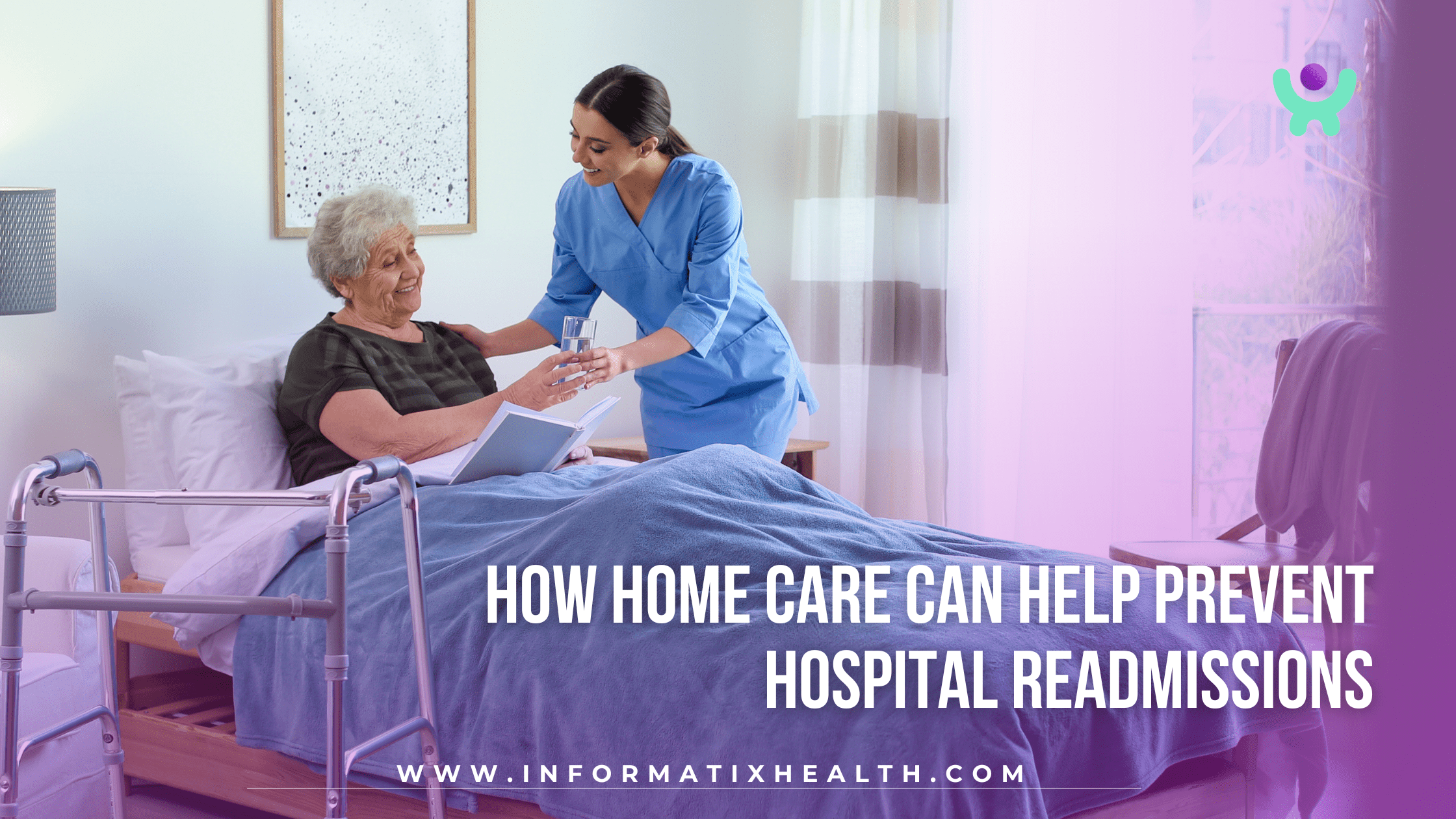
When a senior loved one returns home after a hospital stay, the transition can be both a relief and a challenge. While hospitals provide essential medical treatment, recovery often continues long after discharge. Unfortunately, many older adults experience complications that result in an unexpected return to the hospital. This is where home care services can make a life-changing difference.
At Informatix Health, we understand that recovery is about more than medical treatment—it’s about providing compassionate support, personalized attention, and a safe environment where seniors can heal comfortably at home. Through professional senior home care, families can significantly reduce the risk of hospital readmissions while improving their loved one’s quality of life.
Understanding Hospital Readmissions Among Seniors
Hospital readmissions are common among older adults, especially those managing chronic conditions such as heart disease, diabetes, COPD, or recovering from surgery. After discharge, seniors may struggle with medication schedules, mobility limitations, follow-up appointments, proper nutrition, or recognizing early warning signs of complications.
Without adequate support, these challenges can quickly escalate into serious health issues that require another hospital stay. Investing in professional home health care and in-home care for seniors provides the ongoing assistance necessary to support recovery and prevent avoidable readmissions.
Medication Management and Compliance
One of the leading causes of hospital readmissions is medication errors. Seniors often leave the hospital with new prescriptions, dosage changes, or complex medication schedules.
Professional caregivers from Informatix Health can help seniors:
- Remember when to take medications
- Follow prescribed medication schedules
- Monitor for side effects
- Communicate concerns to healthcare providers
- Reduce the risk of missed doses or accidental overdoses
This level of support is a key benefit of home care for seniors and helps ensure a smoother recovery process.
Monitoring Health Changes Before They Become Emergencies
Small health changes can quickly become major medical concerns if left unnoticed. Through regular visits and ongoing observation, caregivers can identify early warning signs such as:
- Increased fatigue
- Changes in appetite
- Swelling or shortness of breath
- Confusion or cognitive decline
- Signs of infection
Early intervention often prevents minor issues from becoming hospital-worthy emergencies. This proactive approach is one reason why many families choose professional home care services after a hospital discharge.
Assistance with Daily Activities
Recovering seniors may find routine tasks more difficult than expected. Activities such as bathing, dressing, meal preparation, and mobility can become challenging during recovery.
With personalized home care, caregivers provide assistance with Activities of Daily Living (ADLs), helping seniors remain safe while maintaining dignity and independence. This support reduces the risk of falls, injuries, and other complications that frequently lead to hospital readmissions.
Nutritional Support for Better Recovery
Proper nutrition plays a critical role in healing. However, many seniors struggle to shop, cook, or maintain healthy eating habits after a hospitalization.
Through in-home senior care, caregivers can assist with:
- Meal planning
- Grocery shopping
- Healthy meal preparation
- Hydration reminders
- Dietary compliance
A nutritious diet helps strengthen the immune system, support medication effectiveness, and promote faster recovery.
Transportation to Follow-Up Appointments
Follow-up visits are essential after a hospital stay. Missing appointments can delay recovery and increase the risk of complications.
Reliable senior care services often include transportation assistance, ensuring seniors attend medical appointments, therapy sessions, and wellness checkups. Regular communication between healthcare providers and caregivers helps keep recovery plans on track.
Emotional Support and Companionship
Hospital stays can leave seniors feeling anxious, isolated, or overwhelmed. Emotional well-being is closely linked to physical health, making companionship an important part of recovery.
Compassionate caregivers provide meaningful social interaction, encouragement, and emotional support that helps seniors stay engaged and motivated throughout the healing process. Quality elder care services address both physical and emotional needs, creating a more holistic recovery experience.
Creating a Safer Home Environment
Many readmissions occur because of falls or accidents in the home. Professional caregivers can help identify and reduce potential hazards by:
- Removing tripping hazards
- Improving home organization
- Assisting with mobility
- Encouraging safe movement practices
- Monitoring overall safety
These preventive measures make aging in place safer and more successful for seniors recovering at home.
Why Families Trust Informatix Health
At Informatix Health, we believe every senior deserves compassionate, personalized care during recovery. Our experienced caregivers work closely with clients and families to provide tailored home care services that promote independence, comfort, and better health outcomes.
Whether your loved one needs short-term support after a hospital stay or ongoing senior home care, our team is committed to helping them recover safely while reducing the risk of unnecessary hospital readmissions.
Contact Informatix Health Today
If your loved one is preparing to return home after a hospital stay, don’t wait until challenges arise. Let Informatix Health provide the compassionate support and professional care needed for a safer recovery.
Contact Informatix Health today to learn more about our personalized home health care, in-home senior care, and elder care services. Together, we can help your loved one stay healthy, comfortable, and independent at home.