

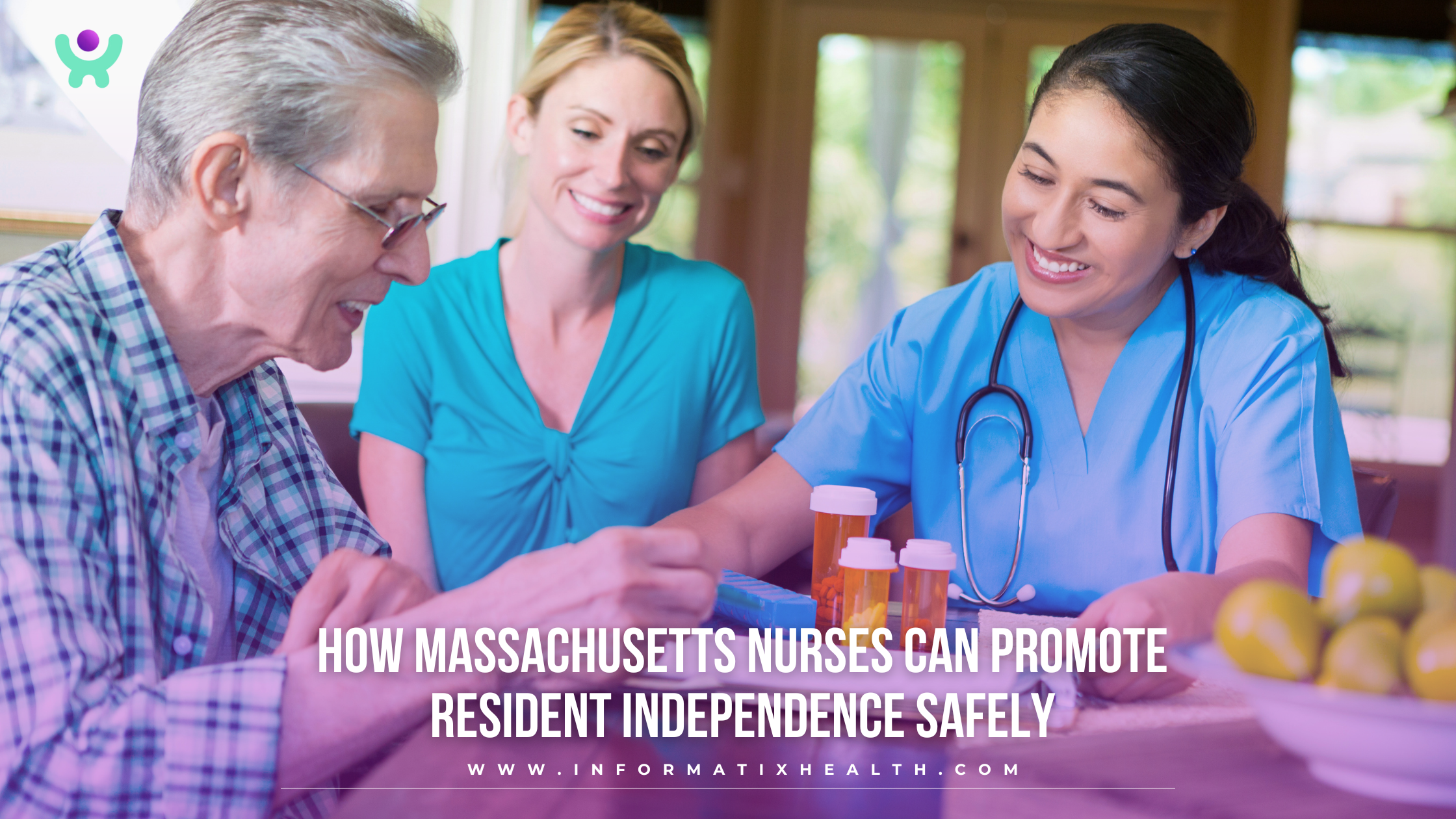
Promoting resident independence is a core part of quality care in Massachusetts nursing homes. When residents are encouraged to do what they can safely on their own, it supports dignity, confidence, and overall well-being. For nurses, CNAs, RNs, and LPNs, the challenge is finding the right balance between independence and safety, especially in busy, high-acuity environments.
Here are practical, evidence-based ways nursing home staff can promote resident independence while maintaining safe and compliant care.
Why Resident Independence Matters in Nursing Homes
Resident independence is not just about physical ability. It also supports emotional health, cognitive function, and a sense of purpose. Studies consistently show that residents who remain engaged in daily activities often experience fewer falls, less depression, and improved quality of life.
For nursing staff, encouraging independence can also reduce burnout by fostering collaboration rather than total dependence during routine care.
Start with Individualized Assessments
Every resident has different abilities and limits. A one-size-fits-all approach can create unnecessary risks.
- Review care plans regularly and note changes in mobility or cognition
- Collaborate with physical and occupational therapists
- Involve residents in goal-setting whenever possible
Clear assessments allow staff to support independence without overestimating or underestimating a resident’s capabilities.
Encourage Safe Daily Activities
Small, supported actions can make a big difference.
- Allow residents to dress themselves with adaptive clothing or tools
- Encourage self-feeding when safe, even if assistance is still needed
- Support grooming and hygiene routines with supervision rather than full take-over
These moments build confidence while keeping safety front and center.
Use Assistive Devices Correctly
Assistive devices are essential tools for independence, but only when used properly.
- Ensure walkers, wheelchairs, and grab bars are well maintained
- Educate residents on correct use and positioning
- Monitor for changes that may require reassessment or adjustment
Proper training helps reduce fall risks and improves resident trust.
Create a Safe and Supportive Environment
Environmental factors play a major role in resident independence.
- Keep hallways and rooms clutter-free
- Ensure adequate lighting, especially at night
- Use non-slip flooring and clearly marked pathways
A safe environment empowers residents to move and engage with more confidence.
Communicate and Educate as a Team
Promoting independence works best when the entire care team is aligned.
- Share observations during shift reports
- Educate families on the importance of independence
- Encourage consistent approaches across all shifts
Team communication reduces mixed messages and keeps residents safe.
Supporting Nurses Who Support Independence
Nursing professionals who promote resident independence need flexibility, support, and the right work environment. Working with a trusted nursing staffing agency can provide access to facilities that value patient-centered care, proper staffing levels, and professional growth.
Take the Next Step with Informatix Health
If you are a nurse, CNA, RN, or LPN in Massachusetts who believes in safe, resident-focused care, Informatix Health offers opportunities to work in facilities that align with your values. Whether you are seeking flexibility, travel assignments, or long-term placement, Informatix Health supports your career every step of the way.
Explore current opportunities and apply today to join a team that values your skills and your commitment to quality care.