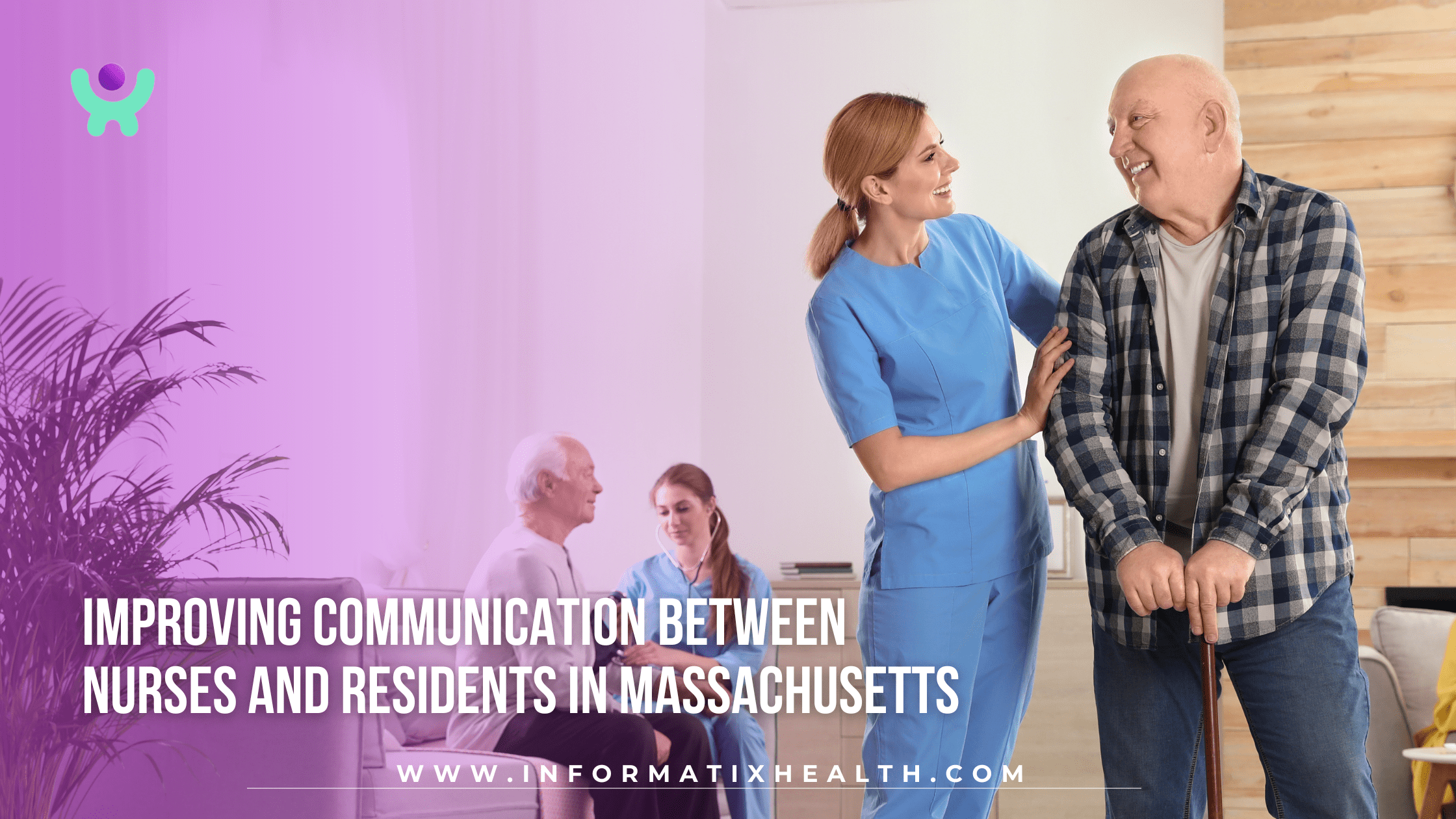
Effective communication is at the heart of quality care in nursing homes. For nurses, CNAs, RNs, and LPNs in Massachusetts, clear and compassionate communication with residents ensures better outcomes, stronger relationships, and a safer care environment.
1. Listen Actively
Active listening means giving residents your full attention, making eye contact, and acknowledging their concerns. Busy shifts can make this challenging, but even small gestures—like repeating back what a resident says or confirming their preferences—can make them feel heard and valued.
Tip: Avoid interrupting and take a moment to respond thoughtfully. This not only improves understanding but also builds trust.
2. Use Simple, Clear Language
Many residents may have cognitive or hearing challenges. Using clear, straightforward language helps prevent misunderstandings. Avoid medical jargon when possible and break instructions into small, manageable steps.
Tip: Pair verbal instructions with visual cues or gestures to enhance understanding.
3. Foster Empathy and Respect
Residents respond positively to staff who show empathy and respect. A warm tone, friendly demeanor, and acknowledgment of residents’ feelings go a long way in creating a supportive environment. Empathy also helps staff anticipate needs and respond proactively.
4. Encourage Feedback
Creating an open environment where residents feel comfortable sharing feedback is essential. Ask questions like, “Is there anything I can do to make you more comfortable?” or “Do you prefer a different routine?” This empowers residents and improves the quality of care.
5. Utilize Team Communication Tools
In Massachusetts nursing homes, coordinating care across multiple shifts and staff members is crucial. Using communication tools like digital logs, care plans, or team huddles ensures everyone is up-to-date on residents’ needs, medical updates, and personal preferences.
6. Continuous Training
Effective communication is a skill that can always be refined. Regular training sessions on topics like conflict resolution, dementia communication strategies, and cultural sensitivity can help nursing staff enhance their interactions with residents.
Strong communication strengthens relationships, improves resident satisfaction, and promotes a safer, more effective care environment.
If you’re a nurse, CNA, RN, or LPN in Massachusetts looking to advance your career and join a supportive team, apply to join Informatix Health today and make a real difference in the lives of nursing home residents.