

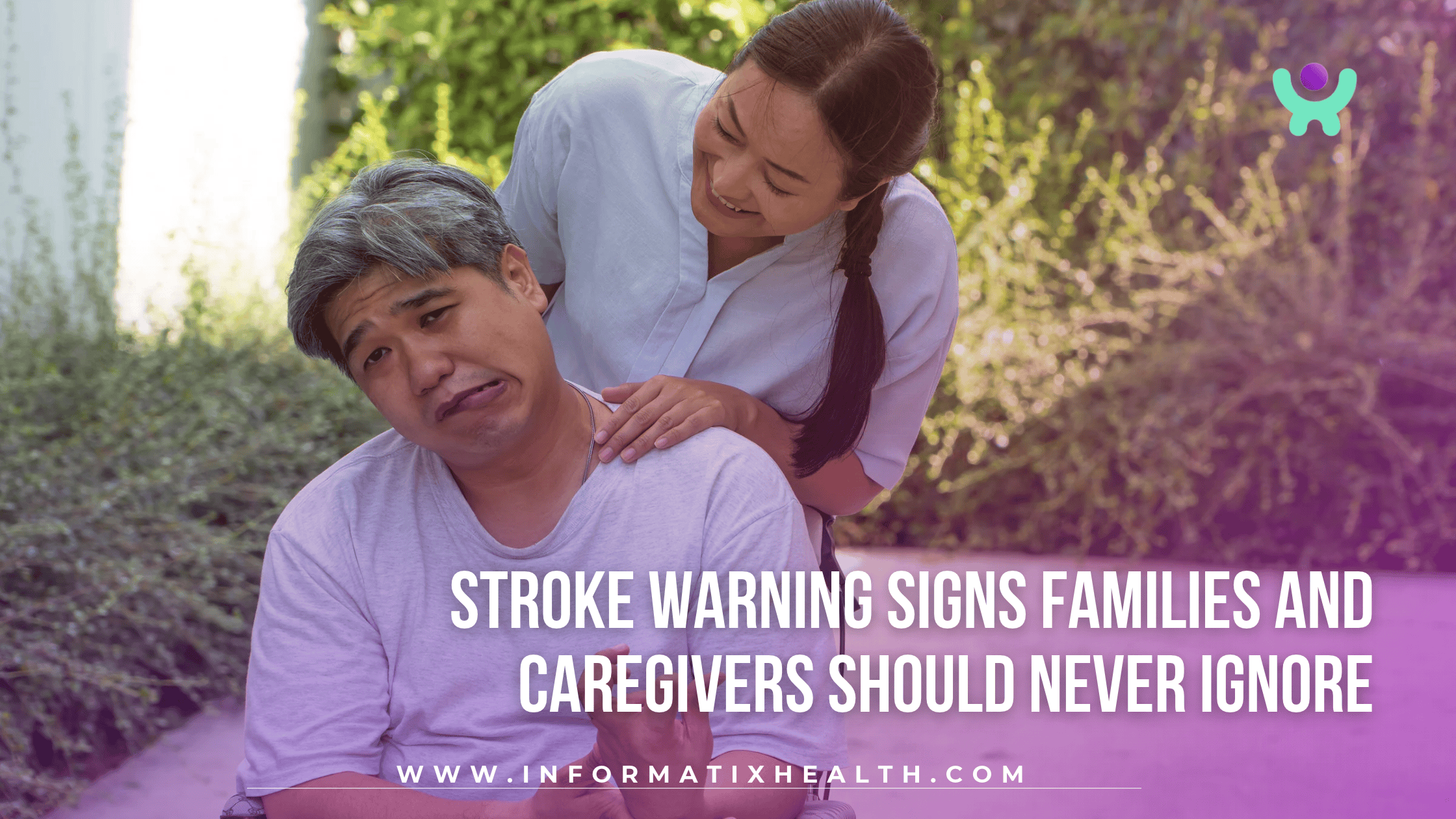
A stroke can happen suddenly, without warning, and at any time of the day. For families caring for aging loved ones, recognizing the earliest signs of a stroke can make a significant difference in their recovery, long-term health, and survival.
Although aging increases the risk of stroke, understanding stroke warning signs in seniors can help families and caregivers respond quickly during a medical emergency. Even seemingly minor changes in speech, movement, vision, or behavior should never be overlooked.
Knowing what to look for and how to respond is an essential part of protecting the health and safety of older adults.
Understanding Stroke in Older Adults
A stroke occurs when blood flow to part of the brain is blocked or when a blood vessel in the brain ruptures. Without adequate blood flow and oxygen, brain cells can become damaged or begin to die within minutes.
The risk of stroke in older adults increases with age, particularly among individuals with underlying health conditions such as high blood pressure, diabetes, high cholesterol, and heart disease.
Recognizing early symptoms of stroke in seniors and seeking immediate medical attention may help reduce the risk of permanent disability, serious complications, and loss of life.
Recognizing Stroke Symptoms With the B.E. F.A.S.T. Method
One of the easiest ways to identify common signs of a stroke is by remembering the B.E. F.A.S.T. method.
B – Balance
Sudden loss of balance, dizziness, difficulty walking, or poor coordination may indicate a stroke. Pay attention if your loved one unexpectedly struggles to stand or move normally.
E – Eyes
Sudden blurred vision, double vision, or loss of vision in one or both eyes can be an important early warning sign of stroke.
F – Face Drooping
Ask your loved one to smile. If one side of their face appears uneven, droops, or feels numb, seek emergency medical attention immediately.
A – Arm Weakness
Ask them to raise both arms. If one arm drifts downward or cannot be lifted, this may indicate sudden muscle weakness associated with a stroke.
S – Speech Difficulty
Slurred speech, difficulty finding words, confusion, or trouble understanding simple conversations are common stroke symptoms in elderly adults.
T – Time to Call 911
If any of these symptoms appear suddenly, call 911 immediately. Do not wait for the symptoms to improve. Every minute matters when responding to a stroke.
Other Stroke Warning Signs Families Should Watch For
While the B.E. F.A.S.T. method identifies several common symptoms, families should also remain alert to other sudden changes that may indicate a medical emergency.
Additional signs of stroke in seniors include:
- Sudden numbness or weakness, particularly on one side of the body
- Sudden and severe headache with no known cause
- Unexpected confusion or difficulty understanding others
- Sudden difficulty swallowing
- Sudden problems with coordination or movement
These symptoms should never be dismissed as normal signs of aging. Recognizing sudden changes in a loved one’s usual abilities is an important part of stroke awareness for caregivers.
Never Ignore Symptoms That Suddenly Disappear
Sometimes, stroke-like symptoms appear briefly and disappear within minutes. This may indicate a transient ischemic attack (TIA), commonly referred to as a mini-stroke.
Although symptoms may resolve on their own, a TIA can be a serious warning of a future stroke.
Mini-stroke symptoms in seniors may include temporary weakness, numbness, speech difficulties, and vision changes.
Families and caregivers should seek emergency medical attention immediately, even if their loved one appears to have fully recovered. Early medical evaluation may help identify underlying risks and reduce the likelihood of a future stroke.
What Increases the Risk of Stroke in Seniors?
Understanding stroke risk factors in older adults can help families take a more proactive approach to their loved one’s health.
Common risk factors include:
- High blood pressure
- Diabetes
- High cholesterol
- Atrial fibrillation and other heart conditions
- Smoking
- Physical inactivity
- Previous stroke or transient ischemic attack
- Family history of stroke
Regular medical checkups, proper management of existing health conditions, and healthy lifestyle habits can play an important role in stroke prevention for seniors.
What Families and Caregivers Should Do During a Suspected Stroke
Knowing how to respond to a suspected stroke is just as important as recognizing its symptoms.
During a stroke emergency, families and caregivers should:
- Call 911 immediately.
- Record when the symptoms first appeared or when the person was last known to be well.
- Keep the individual safe and comfortable while waiting for emergency responders.
- Avoid giving food, drinks, aspirin, or other medications unless instructed by medical professionals.
- Follow the emergency dispatcher’s instructions.
- Avoid driving the individual to the hospital yourself. Emergency medical personnel can begin assessment and care during transportation.
Prompt medical intervention is essential. Never wait to see whether the symptoms disappear or become more severe.
Supporting Stroke Prevention Through Everyday Habits
Although not every stroke can be prevented, maintaining healthy daily routines may help reduce certain risk factors and support cardiovascular health in seniors.
Families can encourage their aging loved ones to:
- Attend regular medical appointments.
- Monitor blood pressure as recommended by their healthcare provider.
- Follow prescribed medication schedules.
- Maintain a balanced, heart-healthy diet.
- Participate in safe, age-appropriate physical activities.
- Avoid smoking and excessive alcohol consumption.
- Manage existing health conditions with professional medical guidance.
For seniors who need additional assistance, personalized in-home care can help them maintain consistent daily routines and follow their established care plans.
How Professional Home Care Can Support Seniors at Risk of Stroke
For families who cannot always be physically present, having a compassionate caregiver at home can provide additional support and peace of mind.
Professional in-home care for seniors can help older adults maintain their independence while receiving assistance with everyday activities.
Caregivers can provide support with:
- Medication reminders
- Healthy meal preparation
- Mobility assistance and fall prevention
- Companionship and daily safety checks
- Transportation to medical appointments
- Observing and reporting unusual changes in behavior or physical abilities
- Assistance with activities of daily living
For individuals recovering from a stroke, post-stroke home care can also provide nonmedical assistance as they adjust to changes in mobility, independence, and daily routines, alongside their professional medical and rehabilitation care.
While home care does not replace emergency medical services or clinical treatment, consistent caregiver support can help families stay informed about their loved one’s everyday well-being.
Protecting Your Loved One’s Health and Independence With Informatix Health
Caring for an aging loved one means paying attention to the little things, including changes that may indicate a serious health concern. Recognizing stroke warning signs, encouraging healthy habits, and ensuring dependable daily support are meaningful ways to protect their well-being.
At Informatix Health, we understand how important it is for families to feel confident that their loved ones are safe, comfortable, and supported at home.
Our compassionate private home care services in Massachusetts provide personalized assistance based on each senior’s individual needs, preferences, and daily routines.
Whether your loved one needs additional support due to existing health conditions, assistance following a stroke, or help maintaining their independence, our dedicated caregivers are here to support your family.
Contact Informatix Health today to learn more about our personalized senior home care services and how we can help your loved one live safely and comfortably at home.