

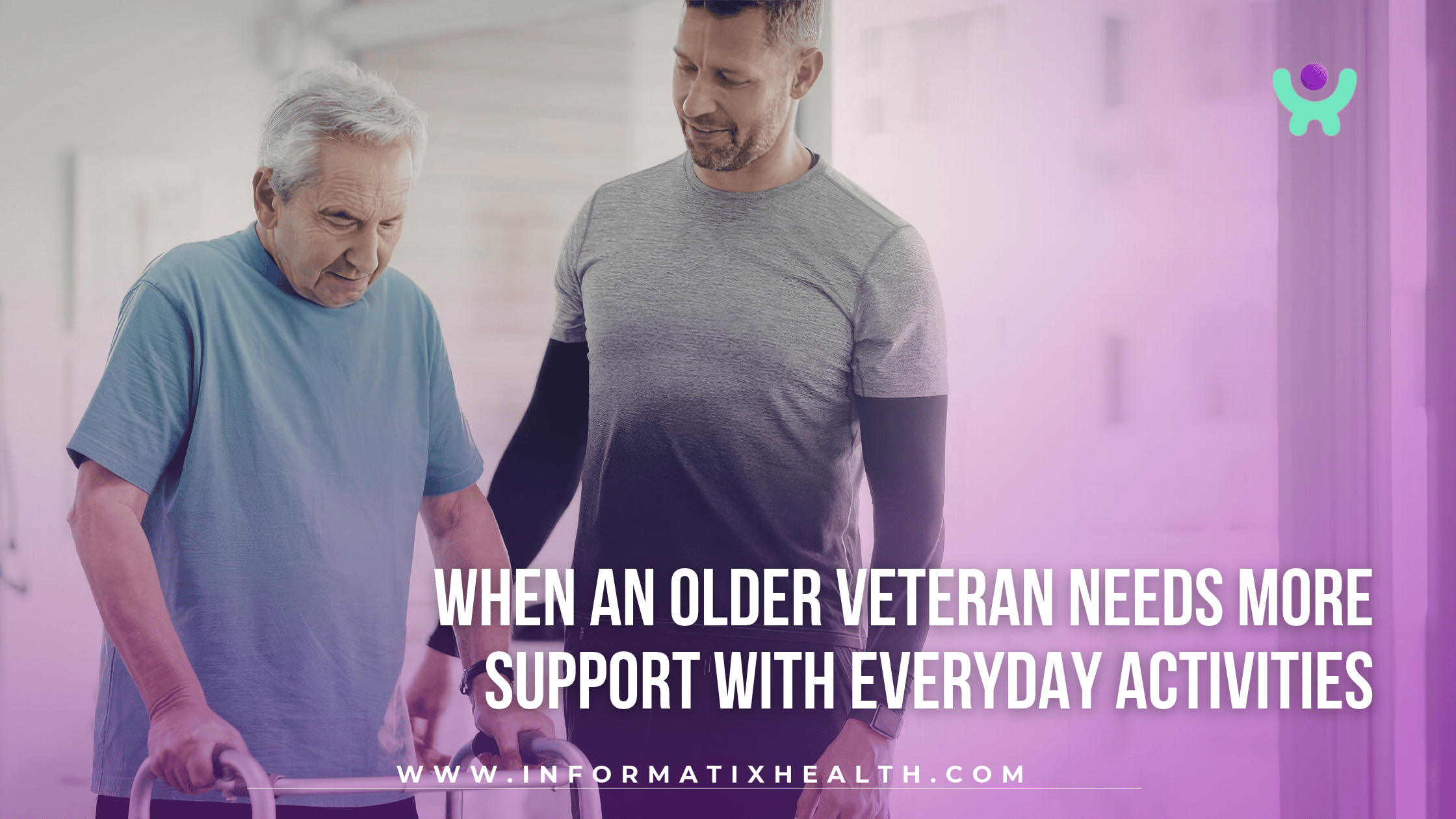
For many veterans, independence is deeply connected to a lifetime of service, dedication, and resilience. Having spent years caring for others and fulfilling important responsibilities, accepting assistance with everyday tasks may not always come easily.
However, as veterans grow older, changes in mobility, strength, energy levels, and overall health can make familiar routines more challenging. Recognizing when an aging veteran needs additional assistance is an important step toward protecting their dignity, comfort, and independence.
With compassionate in-home care for aging veterans, families can help their loved ones continue living meaningful and fulfilling lives in the familiar surroundings of home.
Understanding the Changing Needs of Aging Veterans
Aging affects everyone differently. Some veterans may experience physical limitations related to their years of military service, while others may develop age-related health conditions that affect their ability to manage everyday responsibilities.
Chronic pain, arthritis, reduced mobility, fatigue, and changes in cognitive function can make once-simple activities increasingly difficult.
Providing appropriate daily living assistance for veterans is not about taking away their independence. Instead, it is about offering the right level of support so they can continue doing the things that matter most to them.
6 Signs an Older Veteran May Need Additional Support at Home
Recognizing the need for elderly veteran home care often begins with noticing small changes in everyday habits and routines.
1. Difficulty With Personal Care
Bathing, dressing, grooming, and using the restroom may become more challenging due to joint pain, muscle weakness, or limited mobility.
Families may notice changes in personal hygiene, difficulty changing clothes, or hesitation when entering and exiting the shower.
Professional personal care assistance for veterans can help older adults maintain their hygiene, comfort, and dignity while reducing the risk of accidents.
2. Increasing Difficulty With Household Tasks
Keeping up with laundry, washing dishes, changing bed linens, and maintaining a clean living environment can become physically demanding.
An untidy home or unfinished household chores may indicate that an aging veteran needs additional assistance.
Nonmedical home care for veterans can provide practical support with light housekeeping and everyday responsibilities, helping maintain a comfortable and organized home.
3. Changes in Eating Habits and Nutrition
Preparing meals requires energy, mobility, and planning. Veterans experiencing physical limitations may begin skipping meals, relying heavily on convenience foods, or struggling to shop for groceries.
Proper nutrition is essential for maintaining strength, energy, and overall health.
Through meal preparation assistance for veterans, caregivers can help older adults maintain regular eating habits and enjoy nutritious meals that accommodate their dietary needs and preferences.
4. Increased Mobility Challenges and Fall Risks
Difficulty getting out of bed, standing from a chair, walking around the house, or climbing stairs may indicate a growing need for support.
Veterans experiencing chronic pain, previous injuries, or age-related muscle weakness may face an increased risk of falling.
Mobility assistance for elderly veterans can help individuals navigate their homes more safely while encouraging independence within their abilities.
5. Difficulty Managing Daily Routines
Missed appointments, forgotten medications, unpaid bills, or difficulty keeping track of everyday responsibilities may indicate that additional assistance is needed.
Consistent caregiver support for veterans can help establish manageable routines, provide medication reminders, and assist with appointment scheduling and transportation.
New or worsening difficulties with memory or confusion should also be discussed with a healthcare professional.
6. Increased Loneliness and Social Isolation
Some aging veterans may experience reduced social interaction following retirement, the loss of loved ones, or changes in physical abilities.
Living alone can make it more difficult to maintain meaningful connections and participate in enjoyable activities.
Companion care for veterans provides opportunities for conversation, shared hobbies, recreational activities, and emotional connection. Sometimes, simply having someone nearby to listen and spend time with can make a meaningful difference.
What Are Activities of Daily Living for Veterans?
Activities of Daily Living (ADLs) are essential personal care tasks that individuals perform to maintain their everyday health and well-being.
ADL assistance for veterans may include support with:
- Bathing and showering
- Dressing and grooming
- Toileting and personal hygiene
- Eating and feeding
- Walking and mobility
- Transferring between beds and chairs
Instrumental Activities of Daily Living (IADLs) are additional tasks that help individuals maintain independent living.
IADL support for veterans may include:
- Grocery shopping and running errands
- Meal planning and preparation
- Light housekeeping and laundry
- Medication reminders
- Transportation to appointments
- Assistance with organizing daily schedules
Receiving personalized assistance with these activities can help older veterans maintain a greater sense of control over their daily lives.
Helping Veterans Accept Assistance Without Losing Their Independence
For individuals who have spent much of their lives being self-reliant, accepting help may feel uncomfortable. Families should approach conversations about home care for older veterans with patience, understanding, and respect.
Rather than focusing on what a loved one can no longer do, consider discussing how additional assistance can help them continue enjoying their preferred lifestyle.
Families can make this transition easier by involving their loved one in care decisions, respecting personal preferences, introducing assistance gradually, and encouraging continued participation in everyday activities.
The purpose of independent living support for veterans is to preserve their freedom of choice while providing assistance where it is needed most.
Every veteran deserves to feel heard, respected, and valued throughout the aging process.
The Benefits of Personalized In-Home Veteran Care
Every veteran has a unique background, personal preferences, and individual care needs. A personalized approach allows assistance to be tailored to their lifestyle rather than requiring them to adjust to an unfamiliar routine.
Personalized home care for veterans can offer several benefits:
- Greater comfort in familiar surroundings
- Support with everyday activities and personal care
- Reduced physical strain from household responsibilities
- Meaningful companionship and social engagement
- Assistance with maintaining healthy daily routines
- Additional support for family caregivers
- Greater peace of mind for loved ones
With dependable veteran home care services, older adults can receive meaningful assistance while continuing to enjoy the familiarity, privacy, and comfort of their own homes.
Supporting Families Who Care for Aging Veterans
Family members often take on caregiving responsibilities out of love and gratitude. However, balancing work, personal commitments, and the increasing needs of an aging loved one can become overwhelming.
Professional respite care for veterans can provide family caregivers with time to rest, attend to personal responsibilities, and maintain their own well-being while their loved one receives appropriate assistance.
Seeking additional support does not diminish a family’s commitment to their loved one. It can help create a more sustainable caregiving arrangement that benefits everyone involved.
Honoring Our Veterans Through Compassionate Care at Home
Our veterans have given so much through their service, sacrifice, and dedication. As they enter their later years, they deserve care that reflects the same respect, compassion, and commitment they have shown throughout their lives.
At Informatix Health, we recognize that supporting an aging veteran means more than assisting with everyday tasks. It means honoring their experiences, respecting their independence, and understanding what makes them feel comfortable and valued.
Our compassionate in-home veteran care services in Massachusetts provide personalized assistance with personal care, companionship, meal preparation, mobility, and everyday living activities.
Whether your loved one needs occasional assistance or more consistent daily support, Informatix Health is here to help your family navigate this next chapter with confidence.
Contact Informatix Health today to learn more about our private home care services for veterans and how we can help your loved one maintain their dignity, independence, and quality of life at home.