

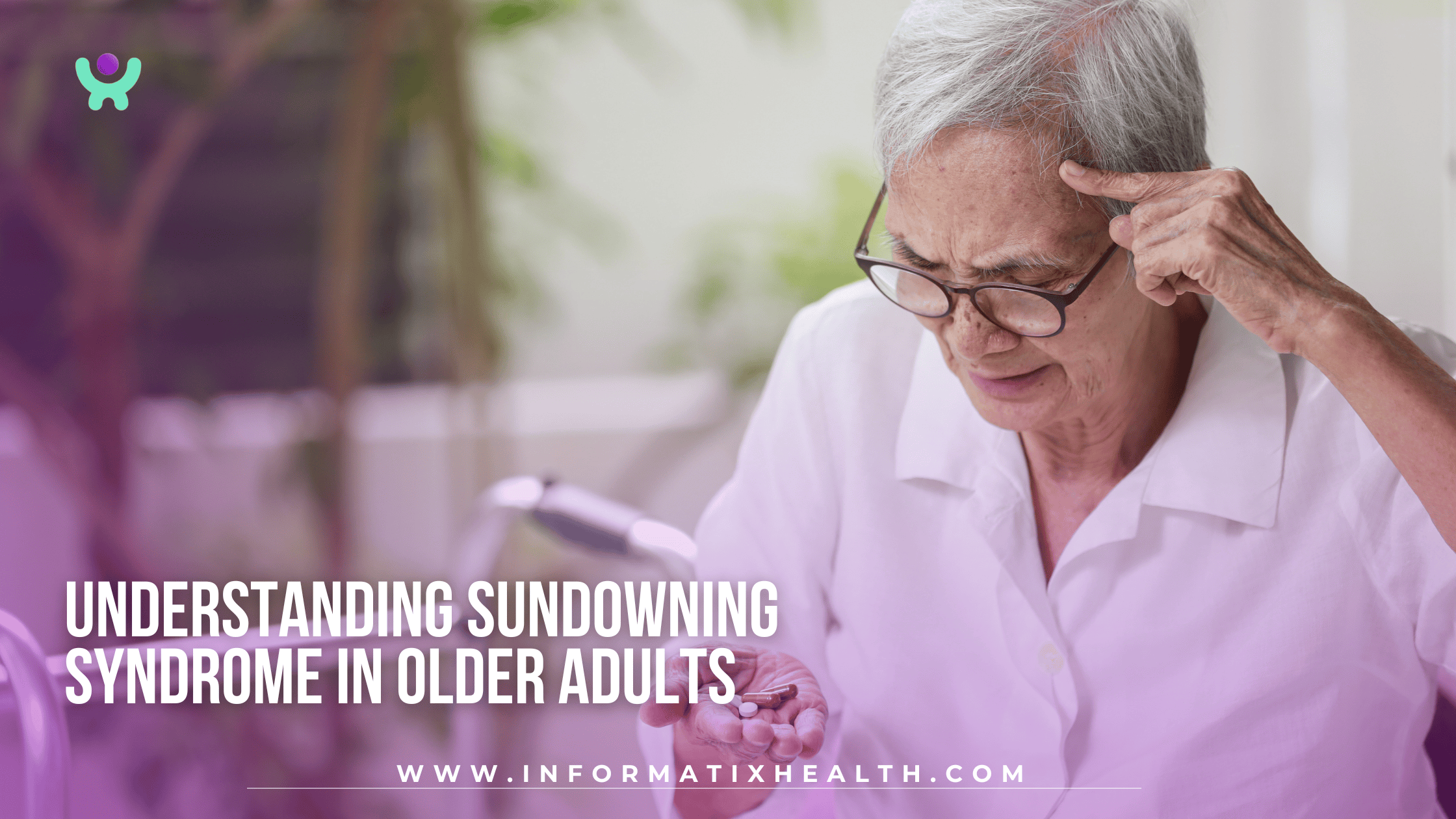
As the day comes to a close, many older adults begin to experience changes in mood, behavior, and thinking that can be confusing and distressing for both them and their loved ones. This condition, known as sundowning syndrome, is common among seniors living with Alzheimer’s disease or other forms of dementia, but it can also affect older adults with certain medical conditions or cognitive challenges.
For families providing care at home, understanding why sundowning in older adults happens and how to respond with patience can make a meaningful difference. With the right support, many seniors can feel calmer, safer, and more comfortable in the evenings.
What Is Sundowning Syndrome?
Sundowning syndrome refers to a pattern of increased confusion, anxiety, restlessness, or agitation that typically occurs in the late afternoon, evening, or nighttime. While researchers are still studying its exact cause, it is most commonly associated with Alzheimer’s care and dementia care.
Common signs of sundowning symptoms may include:
- Increased confusion
- Restlessness or pacing
- Irritability or mood changes
- Anxiety or fearfulness
- Difficulty sleeping
- Wandering
- Repetitive questions
- Hallucinations or suspicious thoughts in some cases
These behaviors can be upsetting, but they are usually not intentional. They are often a result of changes in the brain that affect how a person processes their surroundings.
Why Does Sundowning Happen?
There isn’t one single cause of sundowning syndrome, but several factors may contribute, including:
Fatigue Throughout the Day
Older adults may become physically and mentally tired after a full day of activity, making it harder to cope with changes in their environment.
Changes in Natural Light
As daylight fades, shadows and dim lighting can become confusing for seniors living with dementia, increasing feelings of uncertainty and fear.
Disrupted Sleep Cycles
Many seniors experience changes in their internal body clock as they age. Dementia can make these sleep disruptions even more noticeable, contributing to evening confusion in seniors.
Hunger or Dehydration
Skipping meals or not drinking enough water may worsen confusion and irritability later in the day.
Overstimulation
A busy day filled with visitors, appointments, television, or loud environments may leave an older adult feeling overwhelmed by evening.
How Families Can Help Reduce Sundowning
While there is no cure for sundowning in dementia, there are many practical ways families can help create a calmer environment.
Maintain a Consistent Daily Routine
Predictability provides comfort. Keeping meals, medications, activities, and bedtime on a regular schedule helps reduce stress and uncertainty.
A structured routine is one of the simplest yet most effective strategies for supporting memory care at home.
Keep Evenings Calm
As nighttime approaches, lower the noise level in the home.
Soft lighting, relaxing music, and quiet conversation can help create a peaceful atmosphere that reduces agitation.
Encourage Daytime Activity
Gentle exercise, hobbies, and social interaction during the day may improve nighttime rest and reduce restlessness later in the evening.
Even a short walk or time spent outdoors can support healthier sleep patterns for seniors receiving in-home senior care.
Avoid Too Much Caffeine
Coffee, caffeinated tea, chocolate, and certain soft drinks later in the day may interfere with sleep and increase nighttime wakefulness.
Choosing lighter evening meals may also help improve comfort before bedtime.
Make the Home Feel Safe
Good lighting, familiar surroundings, and minimizing clutter can reduce confusion.
For seniors who are prone to wandering, simple safety measures such as secure locks, motion sensors, or caregiver supervision can provide additional peace of mind.
The Role of Professional Home Care
Caring for a loved one with dementia can be emotionally and physically demanding, especially when evenings become difficult.
Professional home care services can provide valuable support by assisting with daily routines, offering companionship, and helping families manage challenging behaviors with patience and compassion.
Experienced caregivers understand how to respond calmly during episodes of confusion while maintaining the older adult’s dignity and comfort.
Many families find that private home care allows both the senior and family caregiver to experience less stress and more confidence throughout the day.
When Should You Talk to a Doctor?
If sundowning symptoms suddenly become worse or appear for the first time, it’s important to speak with a healthcare provider.
Sometimes infections, medication side effects, dehydration, vision problems, or other medical conditions can cause confusion that may look similar to sundowning.
A medical evaluation can help identify any underlying issues and determine the best course of care.
Compassion Makes All the Difference
Watching a parent or loved one experience sundowning syndrome can be heartbreaking. It’s important to remember that these behaviors are symptoms of a medical condition, not a reflection of who they are.
Responding with patience, reassurance, and understanding can help your loved one feel safe during moments of confusion. Small adjustments to the home environment, consistent routines, and compassionate support often go a long way in improving their quality of life.
With the right care, families don’t have to navigate this journey alone.
Contact Informatix Health
If your loved one is experiencing sundowning in older adults, dementia-related behaviors, or increasing care needs at home, Informatix Health is here to help.
Our compassionate caregivers provide personalized home health care, private home care, and in-home senior care designed to promote safety, comfort, and independence while giving families peace of mind.
Contact Informatix Health today to learn how our experienced team can provide the compassionate support your loved one deserves.