

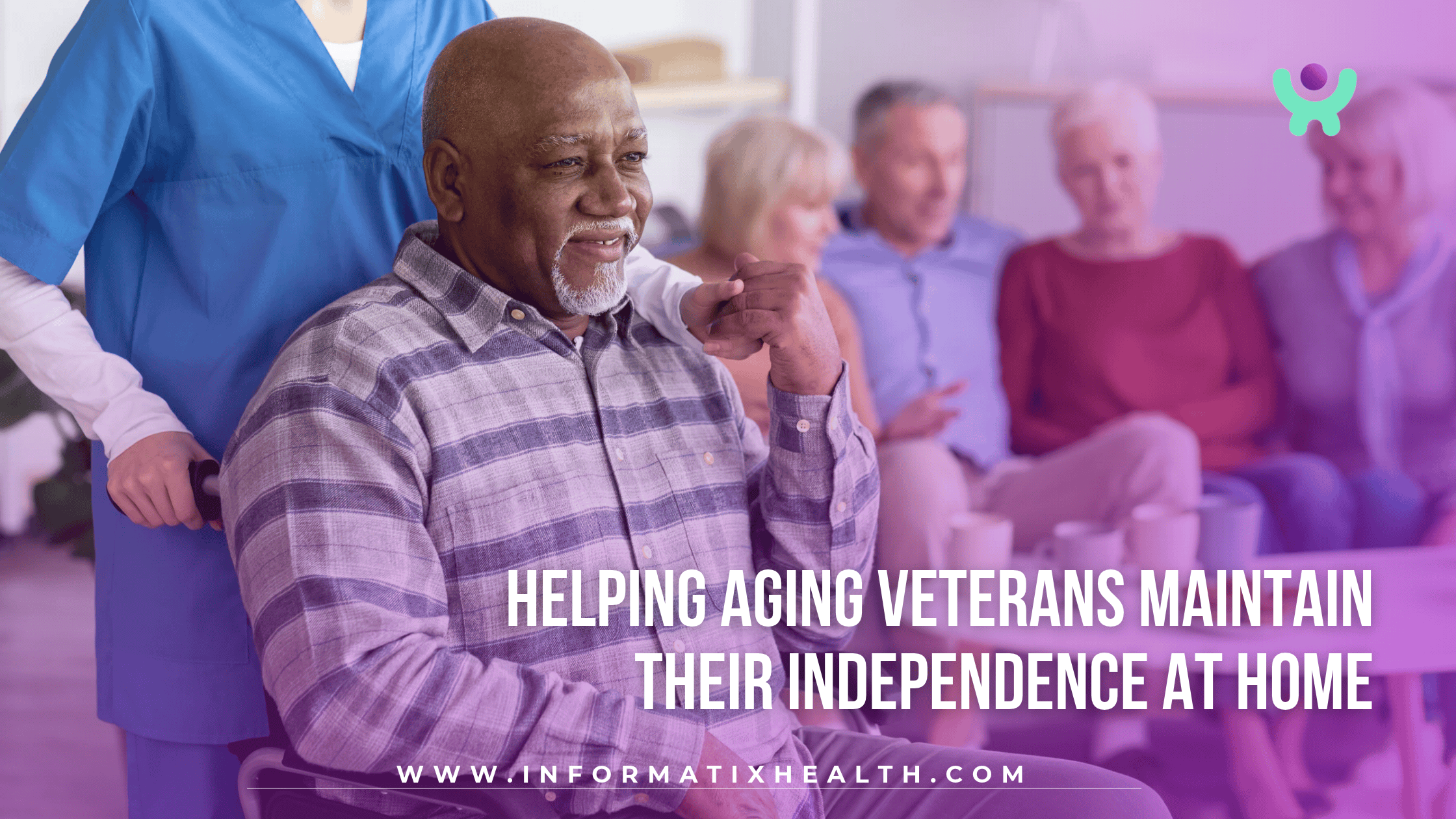
For many veterans, independence has always been a part of who they are. Years of service, responsibility, and dedication have shaped their lives, and the ability to make their own decisions and care for themselves remains deeply important as they grow older.
But aging can bring changes that make everyday routines more challenging. Tasks that once felt simple, such as preparing meals, getting dressed, keeping the house clean, or attending appointments, may gradually require more effort.
For veterans who have spent much of their lives looking after others, accepting help can sometimes feel unfamiliar.
Yet needing assistance doesn’t take away from a lifetime of strength and service. With the right in-home care for veterans, older veterans can continue enjoying the comfort of their own homes while receiving support that respects their independence, preferences, and dignity.
At its heart, helping aging veterans maintain independence at home means making sure they have the freedom to keep living life on their own terms.
Why Independence Matters So Much to Aging Veterans
Home is more than just a place to live. For many older veterans, it holds decades of memories, familiar routines, and a sense of belonging.
It may be where they raised their families, celebrated important milestones, or finally found peace and stability after years of military service.
Remaining in that familiar environment can provide comfort and reassurance, particularly as physical abilities and health needs change.
That’s why aging in place for veterans has become an important consideration for many military families.
Rather than immediately considering a move to a residential care facility, some families explore home care options for elderly veterans that allow their loved ones to remain in their own homes.
With appropriate assistance, veterans may be able to continue managing their daily routines, enjoying familiar surroundings, and maintaining meaningful connections with their communities.
Most importantly, they can remain active participants in decisions about their own care.
1. Respect Their Choices and Daily Routines
One of the most meaningful ways to support an aging veteran is to recognize that independence isn’t simply about completing tasks without help.
It’s also about having a voice in how everyday life unfolds.
Something as simple as choosing what to eat for breakfast, deciding when to take a walk, or maintaining a favorite morning routine can help preserve a sense of control.
When providing personalized home care for veterans, families and caregivers should involve older veterans in decisions whenever possible.
Instead of automatically taking over a task, ask whether assistance would be helpful.
For example, a veteran who enjoys cooking may prefer help gathering ingredients rather than having someone prepare the entire meal.
A veteran who takes pride in keeping a tidy home may appreciate assistance with heavier household chores while continuing to manage smaller tasks independently.
This thoughtful approach to supporting independence in elderly veterans helps preserve dignity while making daily life more manageable.
2. Provide Help With Everyday Activities Without Taking Away Independence
As veterans age, certain daily activities may become more physically demanding.
Changes in mobility, chronic health conditions, reduced energy, or difficulties with balance can affect tasks that were once part of a familiar routine.
For some older veterans, getting dressed, bathing, preparing meals, or moving safely around the home may require additional support.
Personal care assistance for veterans can help address these challenges while encouraging individuals to remain as independent as possible.
Depending on their needs, in-home assistance for elderly veterans may include:
- Help with bathing, grooming, and dressing
- Assistance with walking and moving safely around the home
- Meal preparation and light housekeeping
- Laundry and other everyday household tasks
- Medication reminders
- Companionship and assistance with daily routines
- Transportation assistance for errands or appointments, when available
The goal of nonmedical home care for veterans isn’t to do everything for them. It’s to provide the right amount of assistance so they can continue doing what they’re comfortable and able to manage.
Sometimes, having someone nearby to lend a hand is all it takes to make an ordinary day feel easier.
3. Make the Home a Safer Place to Age
A familiar home can bring comfort, but it may also contain hazards that become more noticeable with age.
Loose rugs, narrow walkways, poor lighting, and slippery bathroom floors can increase the risk of falls, especially for veterans experiencing mobility limitations.
Creating a safer living environment is an important part of independent living for senior veterans.
Families can begin with simple home safety improvements for elderly veterans, such as:
- Installing grab bars in bathrooms
- Removing clutter and loose rugs from walkways
- Improving lighting in hallways and stairways
- Keeping frequently used items within easy reach
- Adding non-slip mats in bathrooms
- Ensuring stairs have sturdy handrails
- Making sure walkers, canes, and other mobility aids are used correctly
These changes can help reduce everyday risks without requiring a complete home renovation.
For veterans with significant mobility challenges, an occupational therapist or healthcare professional can recommend additional adjustments based on individual needs.
Fall prevention for aging veterans is especially important because avoiding injuries can help protect the mobility and confidence needed to remain at home.
4. Encourage Physical Activity and Healthy Daily Habits
Staying active is an important part of healthy aging, but physical activity doesn’t have to mean strenuous exercise.
For older veterans, maintaining movement through safe, enjoyable activities can support muscle strength, balance, flexibility, and overall well-being.
Depending on their health and abilities, healthy aging activities for veterans might include short walks, gentle stretching, chair exercises, gardening, or other low-impact activities.
The important thing is finding activities that feel comfortable and meaningful.
For veterans with chronic conditions or physical limitations, a healthcare provider can help determine appropriate exercise options.
Nutrition, hydration, regular sleep, and consistent daily routines also contribute to healthy aging for military veterans.
Family members and caregivers can encourage these habits by helping prepare balanced meals, keeping water accessible, and supporting participation in everyday activities.
Small, consistent efforts can make a meaningful difference in maintaining strength and confidence over time.
5. Recognize the Importance of Companionship
Military service often creates strong bonds built on trust, teamwork, and shared experiences.
As veterans grow older, however, retirement, changes in health, the loss of loved ones, or reduced mobility may lead to fewer opportunities for social interaction.
Some veterans may find themselves spending more time alone, especially when family members live far away or have demanding schedules.
That’s why companionship care for veterans can be just as meaningful as assistance with physical tasks.
Having someone to talk with, share a meal, enjoy a favorite activity, or simply spend time with can bring comfort to everyday life.
Families can also encourage older veterans to stay connected through community events, veteran organizations, phone calls, and visits with friends.
For those who need additional social support, companion care for elderly veterans can provide regular interaction and help reduce feelings of isolation.
Sometimes, the most meaningful part of a caregiver’s visit isn’t the household task that gets completed. It’s the conversation shared along the way.
6. Understand That Every Veteran’s Needs Are Different
No two veterans have the same story.
Some remain physically active well into their later years, while others may experience health challenges related to aging, past injuries, or long-term medical conditions.
A veteran living with arthritis may need help with household chores. Someone recovering from surgery may require temporary assistance with personal care. Another may benefit primarily from companionship and help getting to appointments.
This is why individualized home care for veterans matters.
Rather than following a one-size-fits-all approach, families should consider each veteran’s abilities, preferences, medical needs, and personal goals.
For some, a few hours of assistance each week may be enough. Others may benefit from more frequent support.
The right senior care services for veterans should adapt as needs change while continuing to respect personal choices and familiar routines.
7. Support Family Caregivers, Too
Family members often play an important role in helping aging veterans remain at home.
Spouses, adult children, and other relatives may assist with transportation, meals, household responsibilities, appointments, and personal care.
While caring for a loved one can be deeply meaningful, balancing these responsibilities with work, family life, and personal needs can also become overwhelming.
Seeking caregiver support for veteran families can help make caregiving more manageable.
Professional caregivers may provide assistance with everyday tasks, giving family members time to rest, attend to responsibilities, or simply enjoy quality time with their loved ones.
Respite care for veterans and their families may also offer temporary relief when a primary caregiver needs a break, depending on the services available.
Asking for additional help doesn’t mean a family is doing less. It can mean building a more sustainable support system for everyone involved.
Most importantly, it allows family members to spend more time being spouses, children, and loved ones rather than feeling responsible for every aspect of care.
8. Explore Available Home Care Resources for Veterans
Many families are unaware that there may be programs and resources available to help eligible veterans receive support at home.
The U.S. Department of Veterans Affairs offers several programs that may support home-based care for eligible veterans, depending on medical needs, eligibility, local availability, and authorization.
These may include:
- Homemaker and Home Health Aide Care: Assistance with daily activities and personal care for eligible veterans.
- Veteran-Directed Care: A program available in participating areas that may allow eligible veterans greater control over certain long-term services and supports.
- Respite Care: Temporary support that may help eligible family caregivers take a break.
- Home-Based Primary Care: Healthcare services for certain veterans with complex medical needs who have difficulty attending clinic appointments.
Families can contact their VA care team to learn more about VA home care benefits for veterans and determine which services may be available.
Veterans may also choose private pay home care for veterans when they prefer additional assistance, flexible schedules, or services outside their available benefits.
Understanding these options can help families make informed decisions about long-term care.
9. Know When Additional Help at Home May Be Needed
Changes in daily routines sometimes happen so gradually that families don’t immediately recognize when a loved one needs more support.
A veteran who once enjoyed preparing meals may begin relying on snacks or skipping meals. Someone who has always maintained a clean home may struggle to keep up with laundry or household chores.
Other signs that home care assistance for aging veterans may be helpful include:
- Difficulty bathing, dressing, or grooming
- Frequent falls or concerns about balance
- Trouble preparing meals or shopping for groceries
- Increasing difficulty managing household responsibilities
- Missing appointments or struggling with daily routines
- Reduced social interaction or spending most days alone
- Family caregivers feeling overwhelmed by growing responsibilities
These changes don’t automatically mean a veteran can no longer live independently.
Instead, they may indicate that additional support could make living at home safer and more comfortable.
Recognizing these needs early allows families to explore veteran home care services before everyday challenges become more difficult to manage.
Independence Doesn’t Have to Mean Doing Everything Alone
For many aging veterans, remaining at home represents freedom, familiarity, and the ability to continue living life in a way that feels right to them.
That independence deserves to be respected.
As physical needs change, the right support can help veterans continue making their own choices, participating in favorite activities, and enjoying time with the people they love.
Whether it’s assistance with morning routines, help preparing a meal, or simply having someone nearby for companionship, thoughtful care can make everyday life more comfortable.
Helping elderly veterans age in place isn’t about taking over their responsibilities. It’s about providing support that allows them to keep doing the things that matter most.
After a lifetime of service and sacrifice, our veterans deserve to be treated with dignity, patience, and genuine appreciation.
And for many, there’s no place they’d rather receive that care than in the comfort of home.
Compassionate Home Care for Veterans in Massachusetts
At Informatix Health, we are grateful for the service and sacrifices of our nation’s veterans. We understand that growing older may bring new challenges, but it should never take away a person’s dignity or sense of independence.
Our compassionate caregivers provide in-home care for veterans in Massachusetts, offering personalized assistance with daily activities, personal care, meal preparation, light housekeeping, mobility support, and companionship.
Whether your loved one needs a few hours of assistance or more consistent private home care for elderly veterans, our team is here to help make everyday life easier while respecting the routines and independence they value.
Let us help your loved one continue living safely and comfortably at home.
Contact Informatix Health today to discuss your family’s needs and learn more about our veteran home care services in Massachusetts.